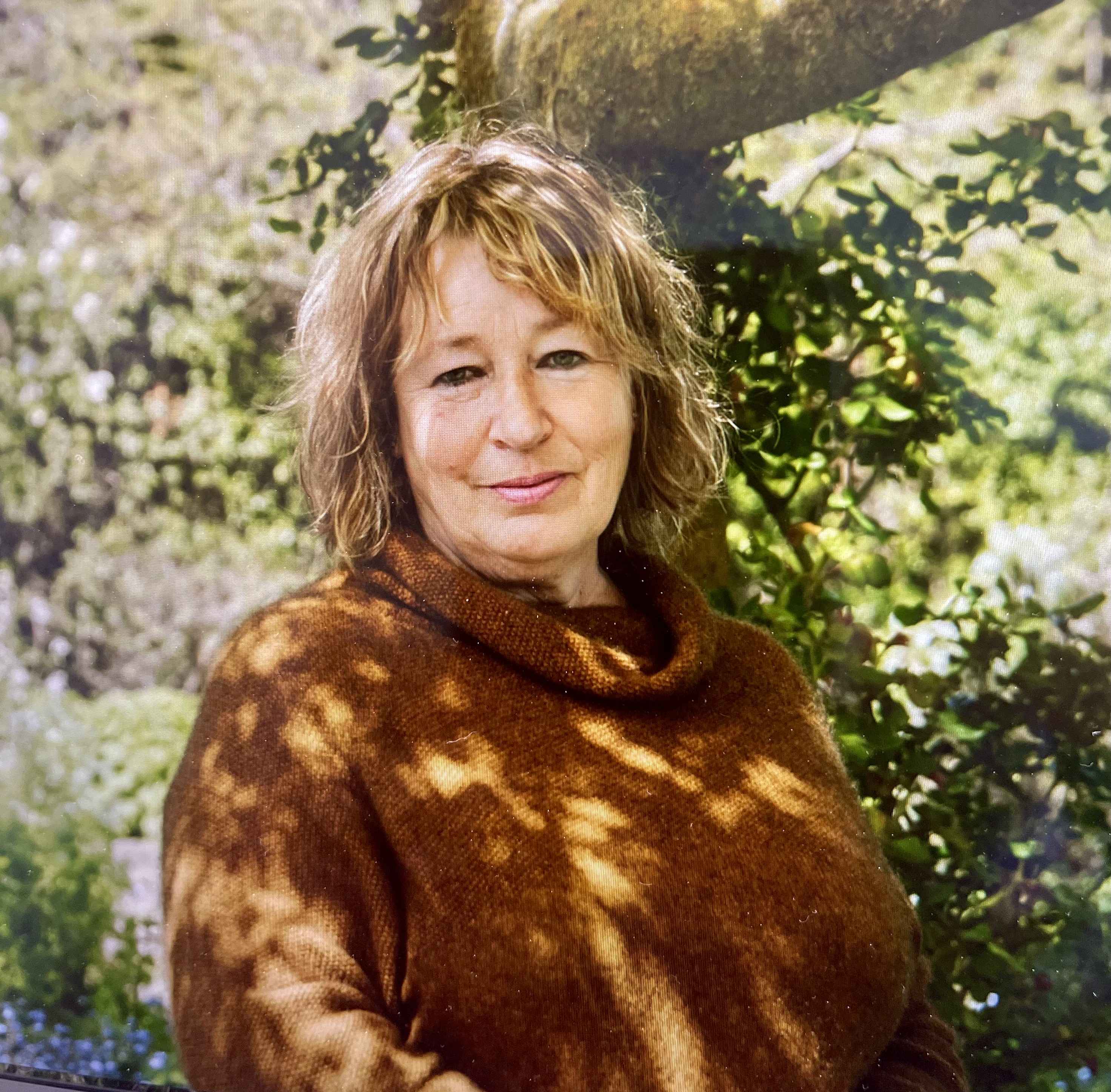
How it began
My interest in food and growing began long before The Herbal Garden. My great-grandfather and grandfather were bread bakers with their own bakery, while my great-grandmother and grandmother introduced me to gardening, showing me how to plant and grow vegetables when I was very young.
That early connection with food eventually led me to train as a Cordon Bleu chef in the UK. I spent much of my working life cooking for private clients, which took me throughout the UK and into Europe. Working with good fresh ingredients was always important to me, and herbs naturally became part of the way I cooked.
When we came to West Melton, one of my aims was to grow good, spray-free fruit and vegetables for our family. A change in work and lifestyle later gave me the opportunity to explore growing more seriously. I studied organic horticulture at Lincoln and later undertook a herbal apprenticeship with Valmai Becker at Phytofarm. This opened up a much wider world of herbs: not only how to grow and use them, but their history and the many ways they have traditionally been part of everyday life.
Over time, those different threads — food, gardening and herbs — came together in the garden. Much of what I know has also come from growing plants season after season, seeing what thrives, what does not, experimenting and continually learning along the way.
Growing with nature
From the beginning, I wanted the garden to be grown as naturally as possible. I garden organically and draw on permaculture principles, working with the seasons, caring for the soil and making use of what the garden itself provides.
Herbs are woven throughout the garden, growing amongst flowers, vegetables, fruit trees and ornamental planting rather than being confined to one particular area. I like to show that herbs can be beautiful garden plants in their own right, bringing colour, scent, texture and flowers to a border while also having culinary, medicinal or traditional uses.
The Herbal Garden is very much a working garden rather than a show garden. Plants are grown, harvested, cut back and allowed to flower and seed, while beds change with the seasons and with what I am growing or experimenting with at the time. Compost is returned to the soil and garden material is reused wherever possible.
Over the years I have become increasingly aware that a healthy garden is about much more than the plants we choose to grow. Flowers are left for pollinators, habitats are encouraged and some areas are deliberately allowed to be a little less tidy.
Bees, hoverflies, lacewings, ladybirds, birds, frogs, lizards and dragonflies are all part of the garden. A garden does not have to be perfectly manicured to be beautiful — and often those slightly wilder corners are amongst the most alive.