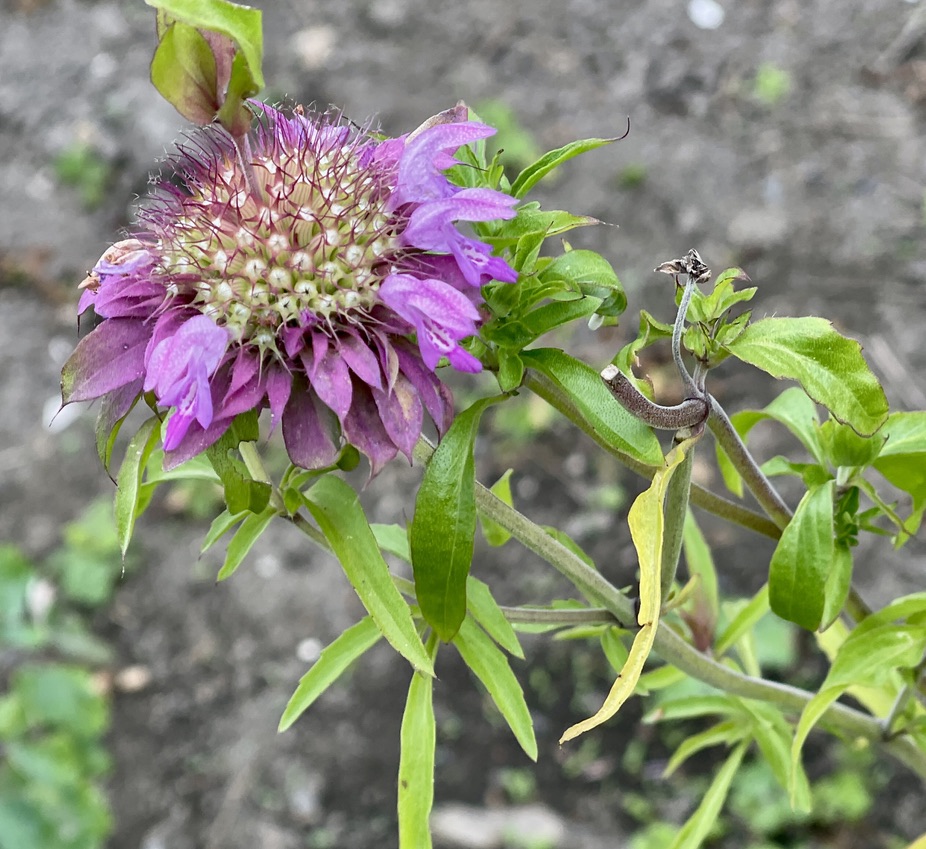
About Bergamot (Bee Balm)
Bergamot (Bee Balm) (Monarda didyma) is one of North America's most colourful and charismatic herbs. Long before European settlement, it was treasured by the Oswego people, who brewed the fragrant leaves into a refreshing herbal tea. Following the Boston Tea Party in 1773, American colonists also turned to Bee Balm as an alternative to imported black tea, earning it the common name Oswego Tea.
Today, Bergamot (Bee Balm) is loved not only for its fascinating history but also for its vibrant scarlet, pink, purple or white flowers, which are magnets for bees, butterflies and other pollinating insects. Its aromatic leaves have a distinctive fragrance reminiscent of bergamot oranges, although the plant is not related to the citrus fruit.
Here in my garden, Bergamot (Bee Balm) is one of the busiest plants of summer. Its brilliant flowers are constantly alive with bees, butterflies and other pollinating insects, bringing colour, movement and life to the borders. It is one of my favourite flowering herbs to grow.
Uses & Benefits
Bergamot (Bee Balm) has long been valued as both a culinary and traditional medicinal herb. Traditionally, it was enjoyed as a soothing herbal tea and appreciated for supporting digestion and general wellbeing. Today it is equally valued for attracting pollinators, adding colour to the garden and producing wonderfully fragrant leaves for teas and summer drinks.
Culinary Uses
The fresh or dried leaves make a delicious herbal tea with a light citrus flavour. They can also be added to fruit salads, summer drinks, herbal butters and desserts, while the colourful flowers make an attractive edible garnish. Young leaves are best harvested before flowering for the finest flavour.
Medicinal Uses
Traditionally, Bergamot (Bee Balm) has been used to support digestion and soothe minor colds. Herbal teas made from the leaves have long been enjoyed for their pleasant flavour and comforting qualities. While it has a long history of traditional use, it is best appreciated as a gentle herbal tea rather than as a substitute for medical treatment.
Growing & Harvesting
Growing
Bergamot (Bee Balm) thrives in full sun or light shade in fertile, moisture-retentive soil. It forms attractive clumps that gradually spread, producing spectacular flowers throughout summer. Divide established plants every few years to maintain vigour and improve air circulation. Regular watering during dry periods encourages the best flowering.
Harvesting
Harvest the young leaves before flowering for the finest flavour, or pick flowers as they open for teas and garnishes. Dry leaves and flowers separately on drying racks in a warm, airy place away from direct sunlight. Once completely dry, place them in a paper bag for a short time to ensure any remaining traces of moisture have disappeared before transferring them to an airtight plastic container and storing them in a cool, dark cupboard.
Cautions
Bergamot (Bee Balm) is generally considered safe when enjoyed as a culinary herb or herbal tea. As with all herbs, anyone who is pregnant, breastfeeding, taking prescribed medication or managing a medical condition should seek professional advice before using it regularly in larger amounts.