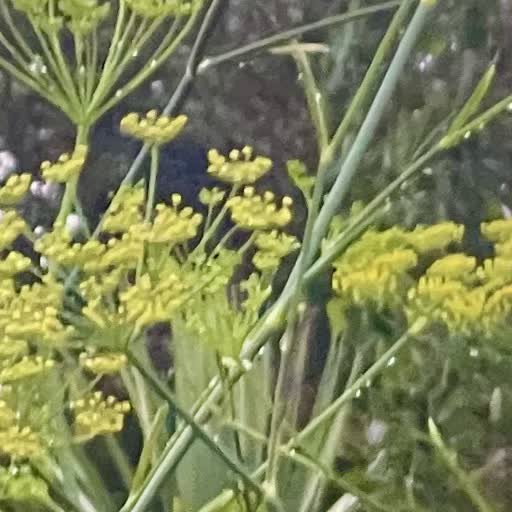
About Fennel
Fennel (Foeniculum vulgare) is a tall, graceful perennial native to the Mediterranean, where it grows naturally on sunny hillsides and along coastal paths. Its finely divided, feathery leaves create a soft, airy appearance, while tall stems carry large, flat umbels of tiny yellow flowers through summer. As the flowers fade, they develop into aromatic seeds that have been treasured for thousands of years.
One of the oldest cultivated herbs, fennel was highly regarded by the ancient Egyptians, Greeks and Romans for both food and medicine. Its distinctive sweet aniseed fragrance makes it instantly recognisable, and it remains one of the most useful herbs to grow in the garden. The flowers attract bees, hoverflies and many other beneficial insects, making fennel just as valuable for wildlife as it is for the gardener.
Uses & Benefits
Few herbs are quite as versatile as fennel. The leaves, flowers, seeds and even the pollen all have culinary value, while the seeds have long been used in traditional herbal medicine. In the garden, the plant provides height, movement and nectar for pollinating insects throughout summer.
Its naturally sweet, aromatic flavour makes it equally at home in savoury dishes, herbal teas and baking, while its long history as a digestive herb has ensured its place in herbal gardens for generations.
Culinary Uses
Almost every part of fennel can be enjoyed in the kitchen. The young feathery leaves have a delicate aniseed flavour that pairs beautifully with fish, potatoes, salads and egg dishes. I also enjoy adding a few sprigs to homemade herb butters and vinegars, where they lend a gentle freshness without overpowering other herbs. The feathery foliage is also lovely tucked inside whole fish before baking, where it gently perfumes the flesh. The seeds are perhaps the best-known part of the plant, bringing warmth and sweetness to breads, biscuits, curries and spice blends. They also make a wonderfully soothing herbal tea after a meal. The bright yellow flowers can be used sparingly as an edible garnish, while the pollen is prized by chefs for its intensely aromatic flavour.
Medicinal Uses
Fennel has been used as a medicinal herb for centuries, particularly for supporting healthy digestion. Traditionally, the seeds were prepared as a tea to ease bloating, wind and feelings of fullness after eating. Their naturally aromatic oils have long been appreciated for their gentle, soothing action on the digestive system. Fennel tea remains one of the best-known herbal infusions and is still widely enjoyed today for its pleasant flavour and comforting qualities. Although modern herbalists continue to value fennel, it should be seen as a gentle traditional herbal support rather than a substitute for professional medical advice.
Growing & Harvesting
Growing
Fennel is an easy herb to grow in a sunny, well-drained position where it has plenty of room to develop. Mature plants can reach well over a metre in height and create an attractive backdrop in herb or cottage gardens. At The Herbal Garden it thrives in Canterbury's warm, dry summers and requires very little attention once established. Although technically a perennial, plants often self-seed freely if flower heads are left to mature. Seedlings are easy to transplant while young, allowing new plants to establish elsewhere in the garden. Avoid planting fennel too close to dill, as the two species readily cross-pollinate.
Harvesting
The young leaves can be picked whenever needed throughout the growing season and are best used fresh for their delicate flavour. Flower heads may be harvested for decoration or culinary use while fully open. Allow the seed heads to mature on the plant until they begin turning brown, then cut the stems and hang them upside down in a dry, airy place with a paper bag tied around the seed heads to catch the ripening seeds. Once completely dry, rub the seed heads gently to release the seeds. Store them in a paper bag for a short time to ensure any remaining moisture has disappeared before transferring them to an airtight container. Keep them in a cool, dark cupboard until needed.
Cautions
Fennel is considered a safe culinary herb for most people when used in normal food quantities. As with many herbs containing aromatic essential oils, medicinal use in larger amounts may not be suitable during pregnancy or for people with certain hormone-sensitive medical conditions. Anyone with existing health concerns should seek professional advice before using fennel medicinally.