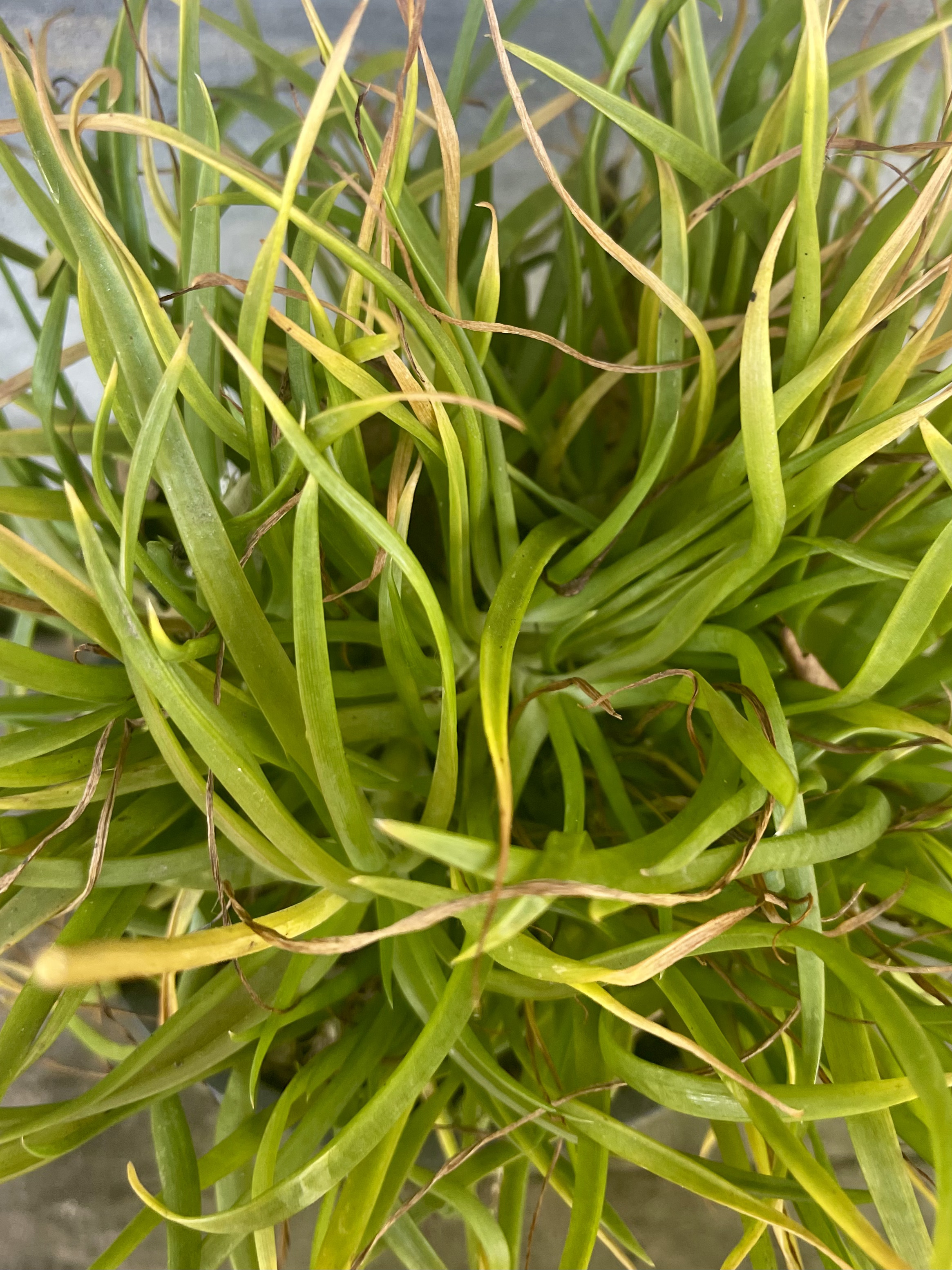
About Jelly Burn Plant
Jelly Burn Plant is a hardy, clump-forming succulent native to South Africa, where it has long been valued for its long season of bright orange or yellow star-shaped flowers and its ability to thrive in hot, dry conditions. Its fleshy, pencil-like leaves hold a generous reserve of moisture, allowing it to keep flowering through the warmest months when softer plants would quietly fold.
Its common name comes from the clear, soothing gel contained within its fleshy leaves. For generations this gel has been applied directly to minor burns, insect bites, cuts and grazes in much the same way as Aloe Vera, and the plant remains a familiar first-aid companion in gardens where the sun is strong and the soil is lean.
In South African folk medicine, Jelly Burn Plant has been cherished for well over a century, its leaves kept close at hand in country kitchens and gardens as a gentle remedy for everyday mishaps. Today it is grown as much for its cheerful flowers and easy, drought-tolerant nature as for its traditional place as a useful first-aid plant, and it brings a quietly useful beauty to any sunny corner of the herb garden.
Uses & Benefits
Jelly Burn Plant is grown primarily for its ornamental and traditional medicinal value rather than for cooking. With its long flowering season, love of hot, dry conditions and soothing leaf gel, it is a plant that combines ornamental beauty with traditional usefulness.
Culinary Uses
Jelly Burn Plant is not generally regarded as a culinary herb, and none of its parts are used in the kitchen. It is grown for its ornamental and traditional medicinal value rather than for cooking, and is best left to brighten the garden and offer its soothing gel when needed.
Medicinal Uses
The clear gel from freshly broken leaves has long been applied to minor burns, sunburn, cuts, scrapes, insect bites and cracked skin for its cooling and soothing properties. The gel is simply spread over the affected area, much as one would use Aloe Vera. These are traditional uses passed down through generations and should be regarded as part of traditional herbal knowledge rather than proven medical treatments.
Growing & Harvesting
Growing
Jelly Burn Plant is an easy, drought-tolerant perennial that prefers full sun and free-draining soil. It flowers for many months of the year, attracts bees and other pollinators, and is well suited to borders, rock gardens and containers, where its generous season of bloom brings reliable colour to the driest spots.
Jelly Burn Plant grows happily in a terracotta pot, where excellent drainage and full sun suit it perfectly. A sunny, sheltered position and a gritty, free-draining compost are all it asks, and it will reward the little attention it needs with months of bright, starry flowers.
Harvesting
Individual leaves can be picked whenever they are needed, snapped cleanly at the base of the plant. The fresh gel is most effective when used immediately after the leaf is cut, so it is best to take a leaf only when the moment calls for it and to apply the gel straight away while it is at its freshest.
Cautions
Jelly Burn Plant is intended mainly for external use, and its gel is best kept for minor, everyday complaints. It should not be applied to deep wounds or serious burns, and use should be discontinued if any irritation occurs. For anything more than a small, superficial complaint, seek appropriate medical advice.