About Lemon Balm
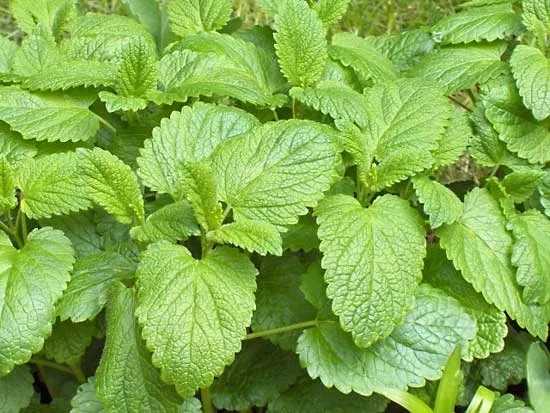
Lemon Balm is a hardy herbaceous perennial of the mint family, native to southern Europe and the eastern Mediterranean. Its softly textured green leaves release a fresh lemon fragrance when gently brushed or crushed, making it one of the most refreshing herbs in the garden.
Its botanical name Melissa comes from the Greek word for honeybee, reflecting the plant’s long reputation for attracting bees. For centuries Lemon Balm was planted near beehives to encourage honey production, and medieval monastery gardens valued it as both a bee plant and a soothing medicinal herb.
Its cheerful fragrance, ease of growth and usefulness continue to make it one of the most popular herbs in gardens today.
Uses & Benefits
Culinary Uses
The fresh leaves are widely used to make refreshing herbal teas and can also be added to fruit salads, green salads, cold drinks, herb butters and summer desserts. The delicate lemon flavour is best enjoyed fresh, as drying reduces much of its aroma.
Medicinal Uses
Lemon Balm is one of Europe’s best-known calming herbs. It has traditionally been used to promote relaxation, ease nervous tension and support restful sleep. It has also long been enjoyed as a soothing herbal tea after meals and has been valued traditionally for supporting healthy digestion. These are traditional herbal uses passed down through generations rather than proven medical treatments, and they are best understood as part of the plant’s long folk history.
Growing & Harvesting
Growing
Lemon Balm is an easy, vigorous perennial that thrives in full sun or partial shade in fertile, moisture-retentive soil. It spreads readily and benefits from regular trimming to encourage fresh growth.
Lemon Balm grows happily in the herb garden, where regular harvesting keeps it fresh and productive throughout the season. Left to flower, it quickly becomes covered with bees, living up to its botanical name.
Harvesting
Lemon Balm bruises very easily, so gentle handling is the key to producing high-quality dried leaves. Harvest whole stems before flowering, when the lemon fragrance is at its freshest, and lay them carefully into a garden trug rather than packing them tightly. Leave the stems to rest for around an hour before transferring them gently onto drying racks. Once the leaves are completely dry, strip them from the stems and store them in a paper bag for a short time before transferring them to an airtight container and keeping them in a cool, dark cupboard. This simple method helps minimise bruising and preserves both the colour and delicate lemon fragrance of the leaves.
Cautions
Lemon Balm is generally regarded as a very safe culinary herb. Anyone wishing to use it medicinally during pregnancy, while breastfeeding or alongside prescribed medication should seek professional advice.