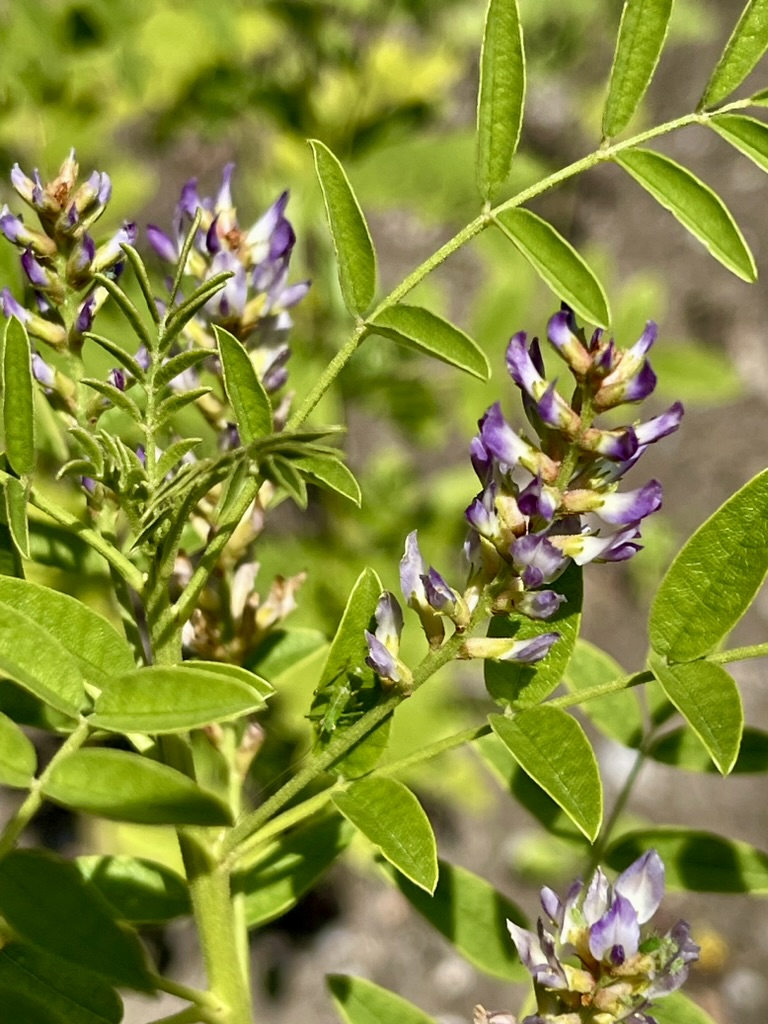
About Liquorice
Liquorice is a hardy herbaceous perennial native to southern Europe and western Asia, where it has long been grown primarily for its long, sweet roots rather than its foliage. Its slender stems carry soft, feathery leaves and pale lilac-blue flowers of the pea family, but it is what lies beneath the soil that has made the plant so valued.
Despite what many people expect, true Liquorice root does not naturally taste of aniseed. That familiar flavour comes from aniseed oil, which is commonly added to many commercial liquorice sweets.
Perhaps the greatest surprise is that Liquorice root is around fifty times sweeter than sugar. This remarkable sweetness comes from glycyrrhizin, a naturally occurring compound found in the roots.
Liquorice has been cultivated for thousands of years and was prized by the Egyptians, Greeks and Romans. Ancient preparations were used to quench thirst on long journeys, soothe the throat and ease the stomach, and the root was so highly regarded that it was buried alongside pharaohs in Egyptian tombs.
Today it remains one of the world's most famous medicinal herbs, just as valued in the modern kitchen and herbal apothecary as it was in the ancient world.
Uses & Benefits
Culinary Uses
The peeled roots can be chewed fresh or dried, releasing their characteristic sweet, woody flavour. Liquorice is used to flavour confectionery, herbal teas, liqueurs and some savoury dishes, where it lends a deep, mellow sweetness unlike any other herb. Its flavour is distinctive and should be used sparingly, as a little goes a long way.
Medicinal Uses
Liquorice has traditionally been valued for soothing the digestive and respiratory systems, with a long history of use in both Western herbal medicine and Traditional Chinese Medicine. These are traditional herbal uses passed down through generations rather than proven medical treatments, and they are best understood as part of the plant's long folk history.
Growing & Harvesting
Growing
Liquorice prefers deep, fertile, well-drained soil in full sun. Its long roots need room to stretch down, so a light, open loam that is free of stones and compaction suits it best. It is a patient grower, often taking three or four years before the roots are ready to harvest, but once established it is a quietly rewarding plant in the herb garden.
Harvesting
Once plants are three or four years old, carefully lift the crown in autumn and trim away some of the largest roots, leaving plenty behind so the plant can be replanted and continue growing. Wash the harvested roots thoroughly before allowing them to dry slowly in a warm, airy place. Once fully dry, store them in a paper bag for a short time before transferring them to an airtight container in a cool, dark cupboard.
Cautions
Liquorice is generally safe in culinary amounts. Large medicinal amounts or prolonged use may not be suitable for people with high blood pressure, kidney disease or during pregnancy, and professional advice should be sought before medicinal use.