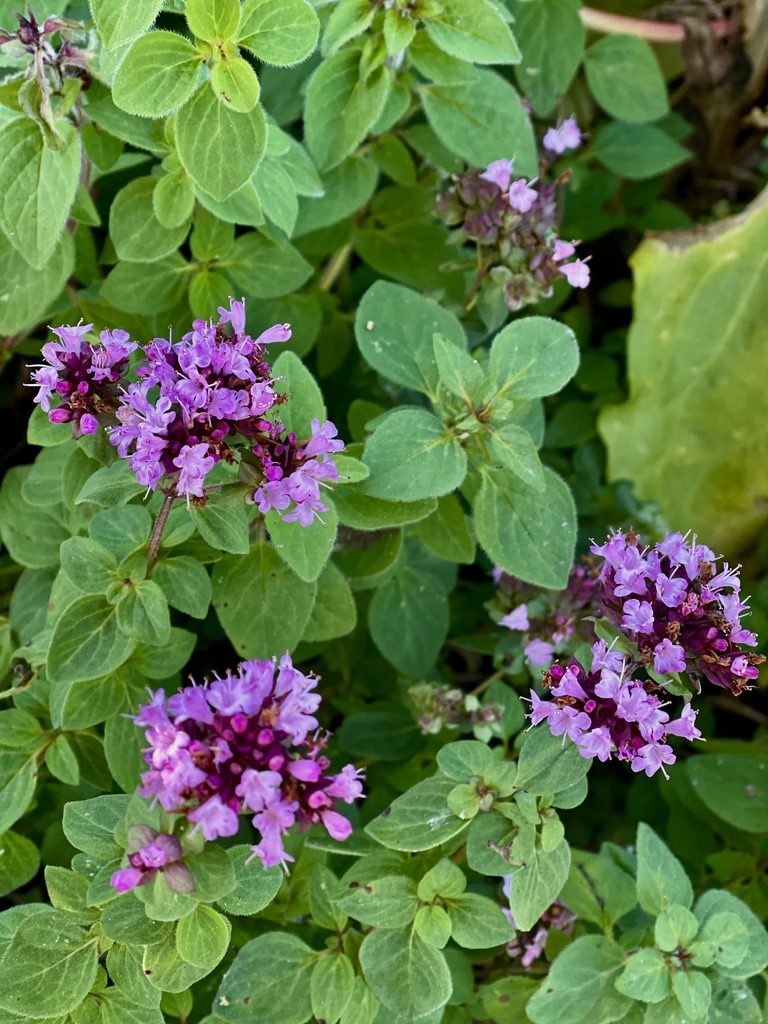
About Oregano
Oregano is one of the classic herbs of the Mediterranean, treasured for centuries for both cooking and traditional herbal use. Its name comes from the Greek, meaning "joy of the mountain," a fitting description for a plant that makes its home on sunny, rocky hillsides, clothing the dry slopes of Greece and Italy with its pungent, aromatic leaves through the heat of summer.
A low, spreading perennial, oregano carries tiny leaves full of warm, savoury fragrance and, from midsummer, sends up loose clusters of small pink or purple flowers. Those tiny flowers are highly attractive to bees and other pollinating insects, making oregano as welcome in a wildlife-friendly border as it is in the kitchen garden, where it hums with life through the warmest weeks of the year.
Robust, drought-tolerant and remarkably easy to please, oregano brings the flavour of the Mediterranean to any sunny patch of ground, earning its place as one of the most enduring and best-loved herbs in gardens around the world.
Uses & Benefits
Culinary Uses
Oregano is one of the herbs I use most often in the kitchen. Its warm, aromatic flavour is perfect with tomato-based dishes, pizzas, pasta sauces, roasted vegetables and Mediterranean-inspired meals. Fresh sprigs are wonderful through the summer, but I always make sure to dry plenty for winter, as the flavour becomes richer and more concentrated once the leaves have dried. I also blend dried oregano into my Mediterranean Herb Salt, ensuring its distinctive flavour can be enjoyed all year round.
Medicinal Uses
Oregano has a long history as a warming herb, traditionally used to support digestion and the respiratory system. A tea made from the leaves was once sipped to soothe an upset stomach after a heavy meal and to ease the congestion and discomfort of winter colds, a use that reflects the herb's generous, aromatic character. As always, we view such uses as part of the herb's rich folk tradition rather than a modern medical claim.
Growing & Harvesting
Growing
Oregano asks for little more than a sunny spot and free-draining soil, where it will settle in happily and thrive for years. Like many Mediterranean herbs, it tolerates poor, stony ground and dry conditions far better than rich, moisture-retentive soil, which can leave it soft and short on flavour. A light trim after flowering keeps the plants neat and encourages fresh, aromatic growth, while lifting and dividing an established clump every few years keeps it vigorous. New plants are easily raised from cuttings or by lifting and replanting rooted sections.
Harvesting
I harvest oregano throughout the growing season for fresh cooking, but my main harvest is made just before the flowers fully open, when the aromatic oils are at their strongest. The stems are laid out on drying racks in a warm, airy place until completely dry. Once dried, I strip the leaves from the stems and place them in a paper bag for a short time to ensure any remaining moisture has disappeared before transferring them to an airtight plastic container. The dried leaves are used throughout winter in everyday cooking and are also blended into my Mediterranean Herb Salt.
Cautions
Oregano is a well-loved culinary herb, and its leaves are widely enjoyed in cooking without concern. As with many traditional herbal remedies, there has been little research into the regular use of oregano preparations during pregnancy and breastfeeding, so it is best to seek advice from a qualified healthcare professional before using it regularly during these times. Oregano is generally well tolerated when enjoyed in moderation, but anyone with an ongoing medical condition or taking prescribed medication should consult a professional before using it regularly. This information is intended for educational purposes and is not a substitute for medical advice.