About Tarragon
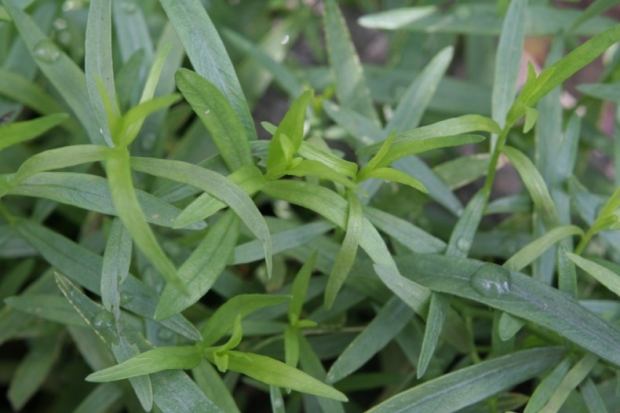
Tarragon is one of the most refined of all culinary herbs, a soft-stemmed perennial with slender, glossy green leaves that release their warm, sweetly aromatic scent the moment they are brushed or bruised. The variety we grow here at The Herbal Garden is French Tarragon, long considered the finest form for the kitchen.
There is also a Russian Tarragon, which is hardier and easier to raise from seed, but it lacks the distinctive sweet anise flavour that makes the French variety so treasured. French Tarragon rarely sets viable seed at all, so plants are passed on by division or cuttings — one of the reasons a good clump is so quietly valued by gardeners and cooks alike.
In France its reputation is unrivalled. Tarragon became one of the four traditional fines herbes, alongside parsley, chives and chervil, a gentle quartet that forms the foundation of many classic French dishes. It is that same delicate anise note that gives béarnaise sauce its character and lifts the simplest omelette into something memorable.
Uses & Benefits
Culinary Uses
Tarragon is a natural partner to chicken, eggs and fish, and it is the herb that gives béarnaise sauce its character. The leaves are best added towards the end of cooking so their delicate anise note is not lost. A handful of fresh stems steeped in white wine vinegar makes a beautifully fragrant tarragon vinegar for dressings, and the chopped leaves lift potato salads, buttery new potatoes and a simple omelette. Used with a light hand, it brings a quiet sweetness that no other herb quite matches.
Medicinal Uses
Tarragon has a long history as a warming digestive herb, traditionally taken as a mild infusion after a rich meal, and it was once chewed to settle the appetite. Its botanical name, dracunculus or 'little dragon', reflects the curling, serpent-like roots and the herb's old reputation as a protective plant. These traditions are shared here for their interest and history; today tarragon is enjoyed chiefly for its flavour rather than as a remedy.
Growing & Harvesting
Growing
French Tarragon likes a warm, sunny position with light, free-draining soil, and it dislikes sitting wet through winter. It dies back completely in the colder months and reappears in spring, so a marker helps you remember where it sleeps. Lift and divide the clump every few years to keep the growth vigorous and the flavour strong.
Harvesting
I pick young leafy sprigs throughout the growing season as I need them, usually just before cooking when their delicate flavour is at its best. French Tarragon is one of those herbs that is far superior fresh, so I never dry it. I add it to butter and also steep fresh sprigs in vinegar, creating a beautifully aromatic tarragon vinegar that captures its distinctive flavour long after the growing season has ended.
Cautions
Tarragon is a gentle herb and perfectly at home in everyday cooking, where the small amounts used are enjoyed by most people without a second thought. It does contain naturally occurring aromatic compounds that are best not taken in concentrated or medicinal quantities over long periods, which is simply a reminder that culinary use and therapeutic use are two different things. For that reason we would suggest keeping to ordinary kitchen amounts if you are pregnant or breastfeeding, and a few people who react to other members of the daisy family may find the foliage irritates the skin. As with all herbs, if you take regular medication or have any concerns, do have a word with your doctor or a qualified herbalist first. Everything shared here is offered for interest and education rather than as medical advice.