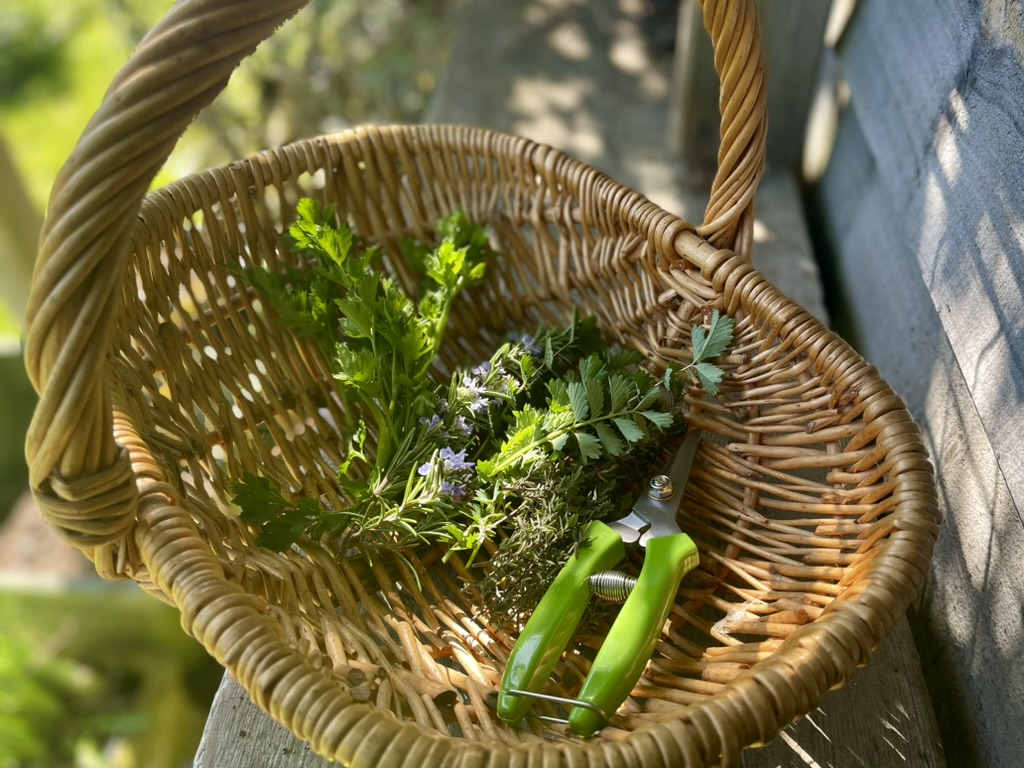
Herbs are wonderfully varied plants to grow, and that is part of their charm. Some thrive in hot, dry sunshine, while others prefer richer soil, a little shade or more moisture. Over the years I have learnt that growing herbs successfully is less about following rules and more about finding the right place for each plant. What follows is based on what I have learnt growing them here in Canterbury — what works, what needs a little more thought, and what is sometimes best kept in a pot where you can keep an eye on it.
Starting a Herb Garden
The best place to begin is with the herbs you genuinely want to grow and use. Think about how you will use them — the ones you reach for when cooking, those you enjoy as a tea, herbs with traditional uses that interest you, and those you simply love for their scent, flowers and the insects they bring.
One
Start Small
It is tempting to want everything at once, but a smaller, well-chosen collection is much easier to care for. Six or eight herbs is plenty to begin with, and you can gradually add more as you discover what grows well in your garden.
Two
Choose What You Will Use
Familiar herbs such as parsley, chives, thyme, sage and rosemary are useful starting points, but there is no need to grow herbs simply because they are considered essential. Choose the ones you will genuinely enjoy growing and using.
Three
Seeds or Young Plants?
Herbs such as basil, coriander and dill are easily raised from seed each year, while perennial herbs such as rosemary, sage and thyme are often simpler to begin with as young plants. Give perennial herbs time to establish and pick annual herbs regularly through their growing season.
Choosing the Right Place
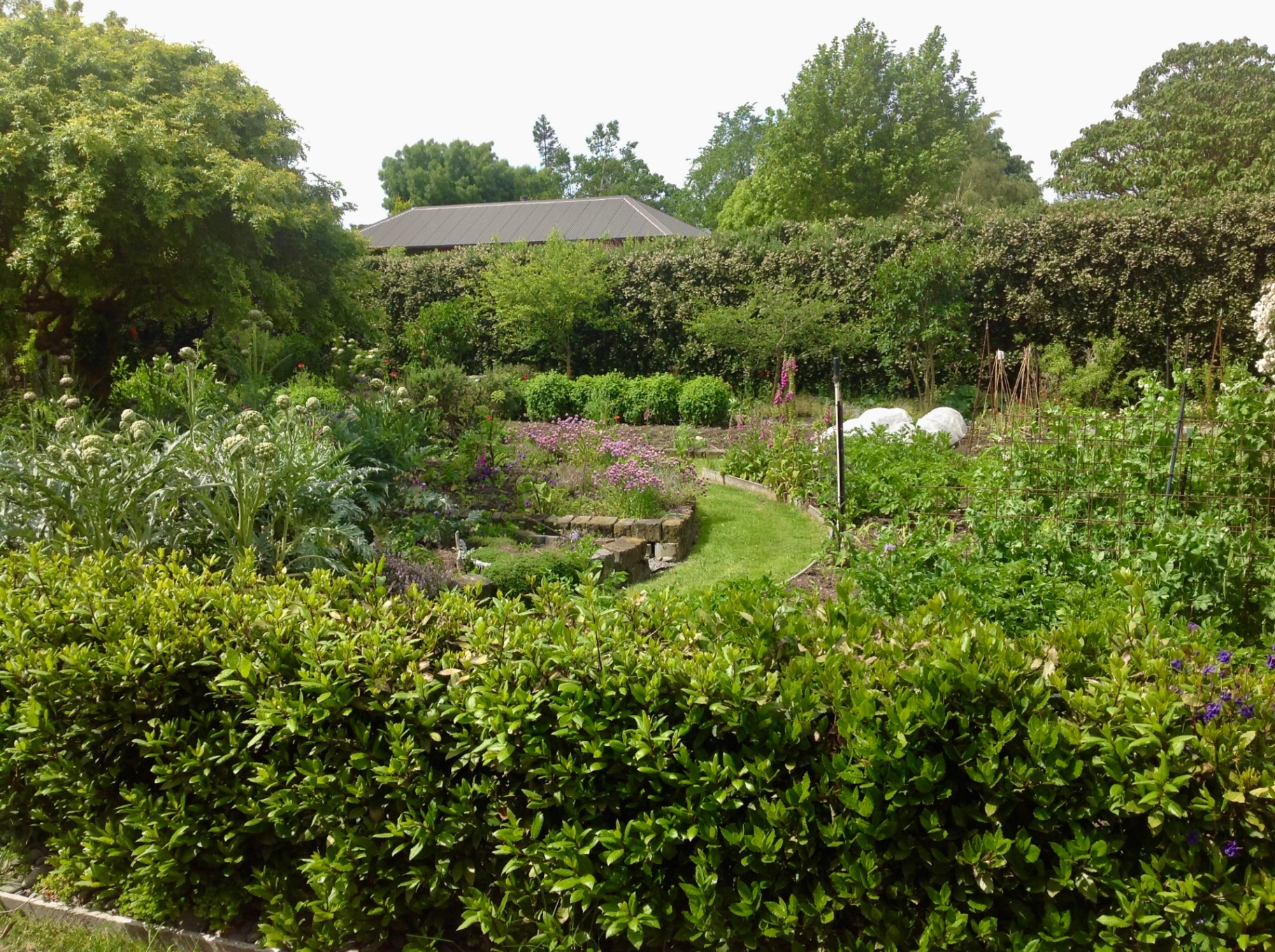
Choosing the right place begins with understanding what each herb prefers. Rosemary, thyme, sage and many other Mediterranean herbs thrive in warm, sunny positions and free-draining soil, while herbs such as mint, lemon balm and parsley are quite happy with a little more moisture and some shade. Getting to know the conditions a herb naturally enjoys makes growing it much easier.
Sun & Shelter
Sun is important for many herbs, but shelter can make just as much difference. A fence, hedge or warm wall can take the edge off strong winds and create a useful little microclimate.
Drainage & Position
Good drainage is particularly important for Mediterranean herbs, especially through winter when cold, wet soil can cause more problems than the cold itself. Herbs do not need a dedicated herb garden — they can grow amongst vegetables, in flower borders, along path edges, in raised beds or in pots. Many are beautiful garden plants in their own right and attract bees, hoverflies and other beneficial insects.
Keep Useful Herbs Close
One of the most practical things I have learnt is to keep the herbs you use most often within easy reach of the kitchen. Parsley, chives or thyme growing somewhere you pass every day are far more likely to find their way into your cooking than the same plants tucked away at the far end of the garden.
Growing Herbs in Pots
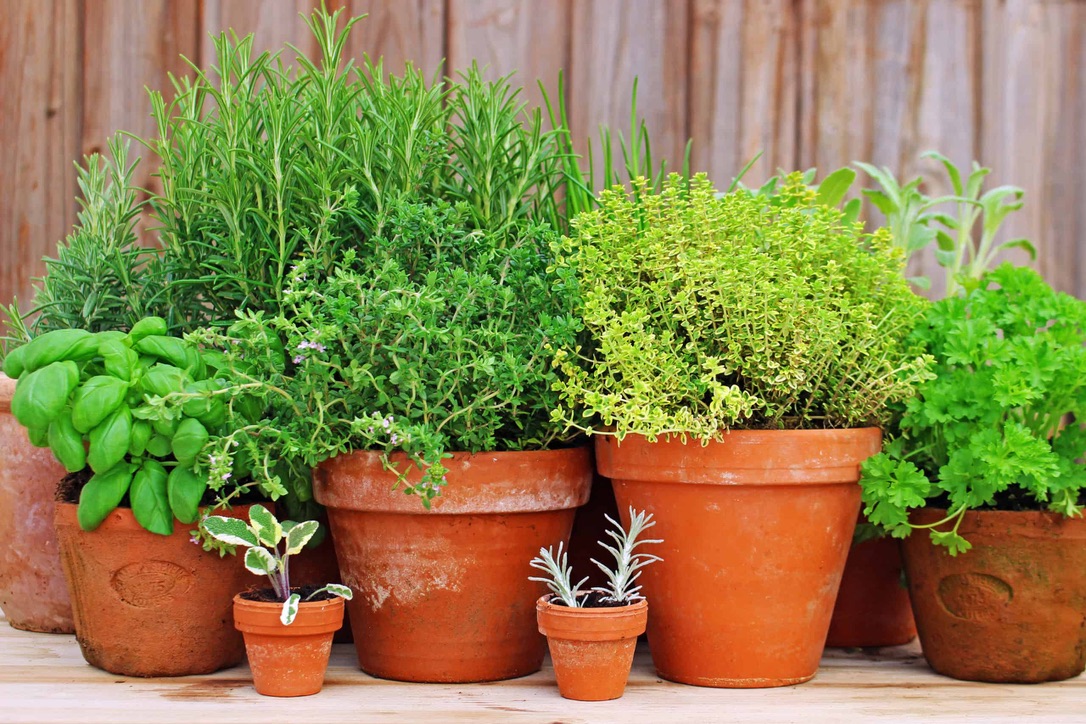
Growing herbs in pots is useful whether you have a small patio or a large garden. Containers allow you to keep frequently used herbs close to hand, contain plants such as mint that like to spread, and give herbs with particular growing requirements a place of their own.
Choosing a Pot
Choose a generous-sized pot with good drainage holes. Use a good-quality potting mix, and make sure excess water can drain freely from the base of the pot.
Watering
Water according to the needs of the herb rather than following the same routine for every pot. Herbs growing in containers can dry out much more quickly than those growing in the ground, particularly during warm, dry weather. Mediterranean herbs such as thyme, rosemary and sage prefer their growing mix to dry a little between waterings, while leafy herbs such as parsley and mint appreciate more consistent moisture.
Why Grow in Pots?
Many herbs grow very happily in containers, including thyme, sage, oregano, chives, parsley and basil. Pots are also invaluable for tender herbs that need protection from winter cold, as they can be moved to a more sheltered position when necessary.
Understanding Different Herbs
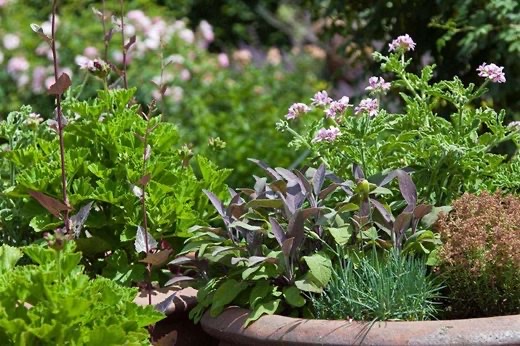
Herbs have very different growing habits and needs. Understanding whether a herb is an annual, perennial, tender plant or one that likes to spread makes it much easier to decide where to grow it and how best to care for it.
Annual & Biennial Herbs
Annuals such as basil, coriander, dill, chervil and summer savory complete their whole life in a single season, so they need sowing afresh each year. Biennials like parsley, caraway and angelica put on leafy growth in their first year and flower in their second. Sow little and often through spring and early summer and you will have young, tender leaves for months rather than a single glut that runs to seed all at once.
Perennial Herbs
Sage, thyme, oregano, marjoram, mint, chives, lemon balm, fennel and lovage return year after year and form the backbone of a herb garden. Most appreciate an open, sunny position and soil that drains freely. Cut them back after flowering to keep growth fresh and compact, and lift and divide clumps every few years to keep them vigorous and to make new plants for elsewhere in the garden.
Tender Perennial Herbs
Lemon verbena, lemon grass, pineapple sage, scented geraniums, bay in a cold spot, and rosemary in a heavy wet soil can all struggle through a frosty Canterbury winter. Grow them in pots so they can be moved into a glasshouse, conservatory or a sheltered wall for the coldest months, or take cuttings in late summer as insurance. Keep them on the dry side over winter — cold, wet roots do far more damage than cold air.
Herbs for Partial Shade
Not every herb wants full sun. Mint, lemon balm, chervil, parsley, sweet cicely, angelica, lovage, wild garlic and woodland plants such as woundwort are all happier with morning sun and shade through the hottest part of the day. Their leaves stay softer and greener, and they are far slower to bolt. A shaded corner that feels like a problem is often exactly the right home for them.
Spreading Herbs
Mint is the best known, but comfrey, tansy, horseradish, lemon balm and soapwort will all travel further than you intend. Either give them a bed of their own where they can romp away, or grow them in a large pot or a bottomless container sunk into the ground. Deadhead the ones that seed freely — fennel, angelica and borage among them — before the seed scatters, and you keep their good qualities without the takeover.
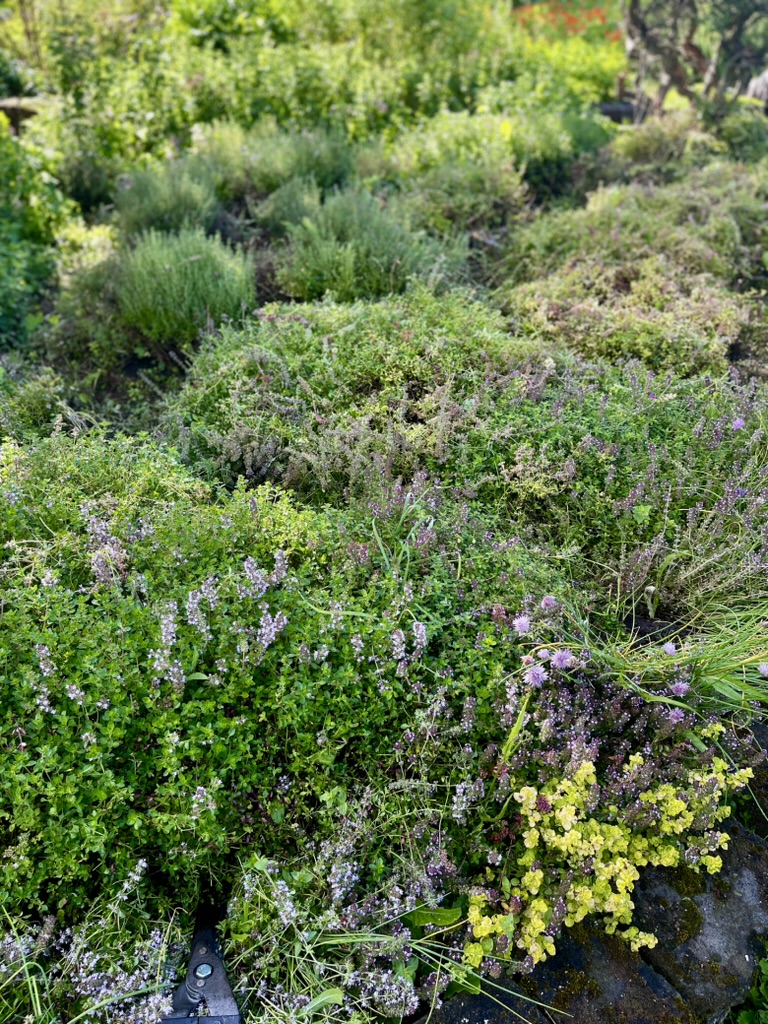
Once you know which of these groups a herb belongs to, most of the decisions make themselves — where it goes, whether it stays out over winter, and whether it is best given a pot of its own. You can read more about individual plants, their history and their traditional uses in the Herbs A–Z collection.