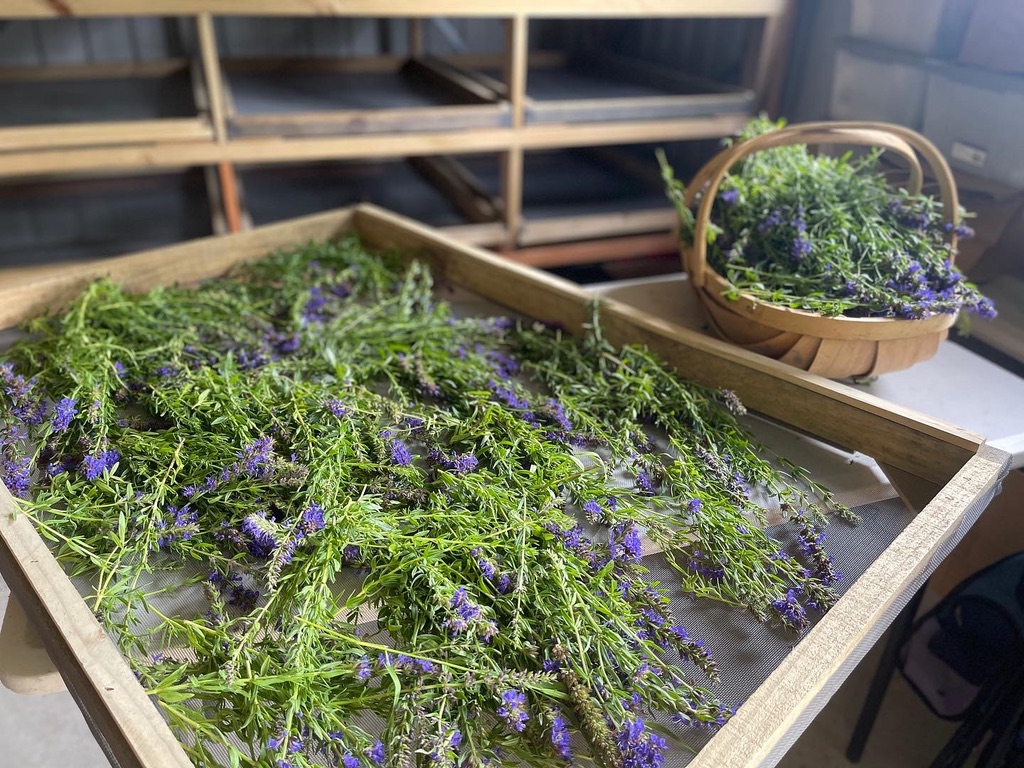
Growing herbs is only part of the story. Knowing when to gather them and how to preserve them well allows their flavour, fragrance and usefulness to continue long after they have been picked. A good deal of summer is spent harvesting and drying herbs from the garden, ready to be stored and used throughout the seasons. It isn't complicated, but a little care at each stage makes all the difference.
Knowing When to Harvest
Different parts of a herb are gathered at different stages, and the timing does make a difference to the quality of what you end up with. None of this needs to be treated as a rule, though. Plants rarely read the calendar, and the most reliable guide is watching how they behave in your own garden from one year to the next.
Choose a Dry Day
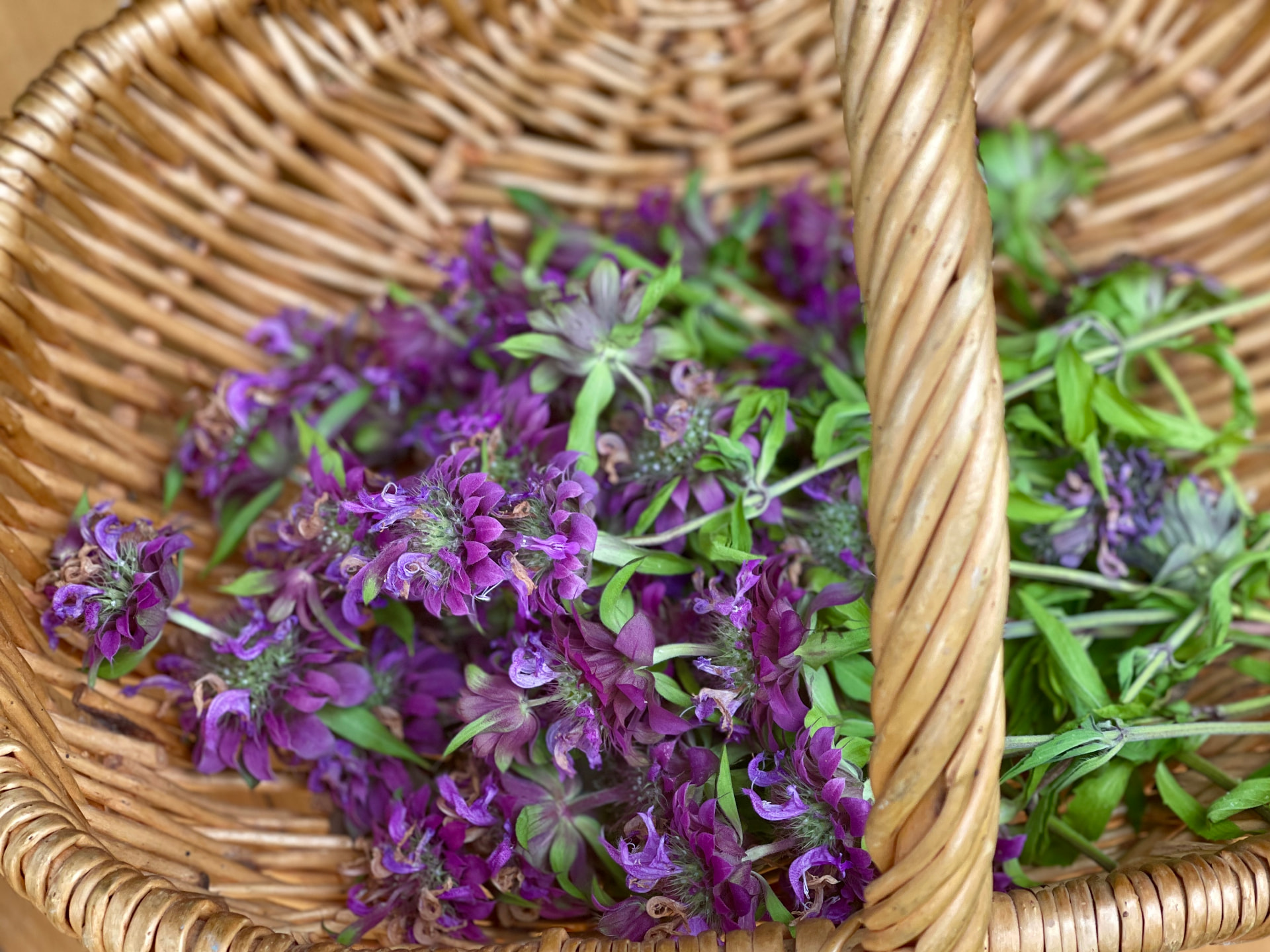
Herbs are best gathered on a dry day, once any dew or overnight moisture has lifted from the foliage. Anything heading for the drying racks needs to be dry when it is picked — excess moisture makes drying slower and more difficult, and it greatly increases the risk of mould.
Leaves
Leafy herbs are generally picked while they are growing strongly and the leaves are healthy and full of flavour. Many are particularly good before flowering, although they can remain useful well beyond this stage. The right time to harvest really depends on the herb itself and what you are gathering it for.
Flowers
Flowers such as calendula, chamomile and lavender are best gathered when they are fresh and newly opened, before they begin to fade. With flowers such as calendula and chamomile, regular picking through the flowering season also encourages the plants to continue producing more.
Roots & Seeds
Root crops are lifted in autumn once the top growth has died back. Seeds are best left to mature and dry on the plant as far as possible. If the seeds are likely to scatter, I sometimes tie a small organza bag around the flower head to catch them as they ripen.
Harvesting with Care
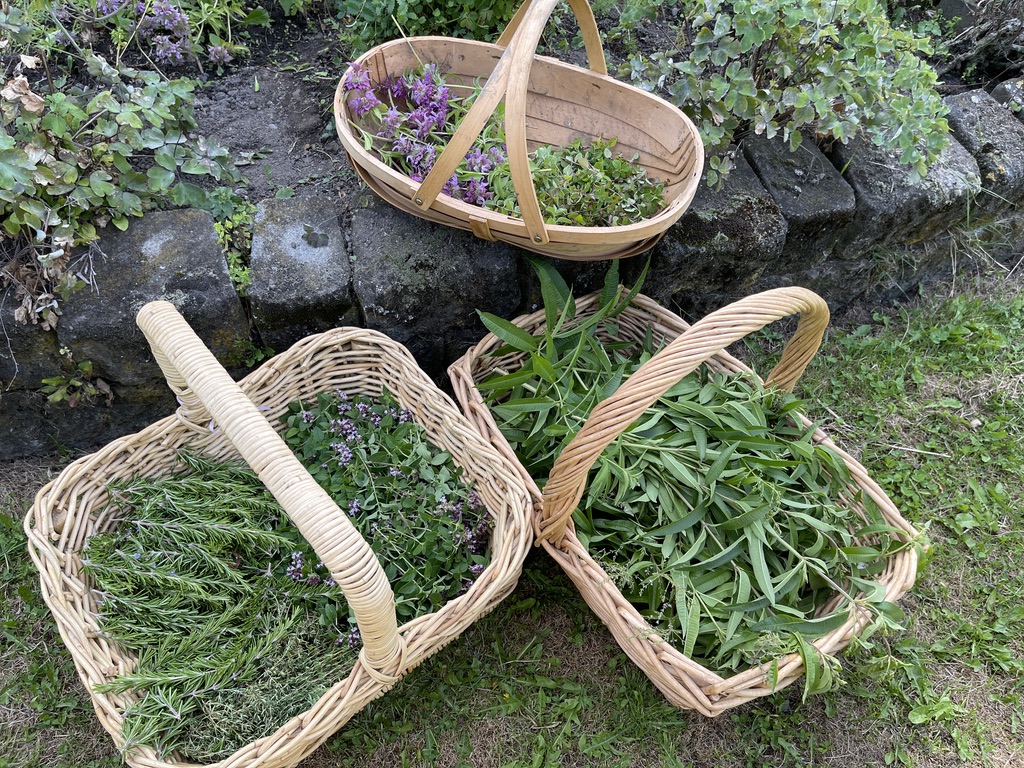
How you harvest depends very much on the herb and which part of the plant you are gathering. Leaves and soft stems can often be picked by hand, while clean scissors or secateurs are useful for woodier stems and larger harvests. Flowers such as calendula and chamomile are gently picked as they open, while roots are lifted when the plant has finished its season.
When harvesting perennial herbs, I take what I need while leaving plenty of healthy growth on the plant. Some herbs are picked fresh as I need them, while others are harvested specifically for drying or preserving. Regular harvesting can also encourage many herbs to produce fresh new growth, giving further pickings as the season continues.
Drying Herbs
Drying racks are the main method used here. Everything is given plenty of space and left to dry naturally until it is thoroughly dry. Different parts of the plant need slightly different handling along the way.
Leafy Herbs
Leafy herbs are cut gently and laid onto the drying racks, where they stay until the leaves are completely dry and feel crisp to the touch. Once dry, the leaves are stripped from the stalks by hand and put into paper bags. The bags are folded closed and then placed inside plastic containers for a little extra protection in storage.
Flowers
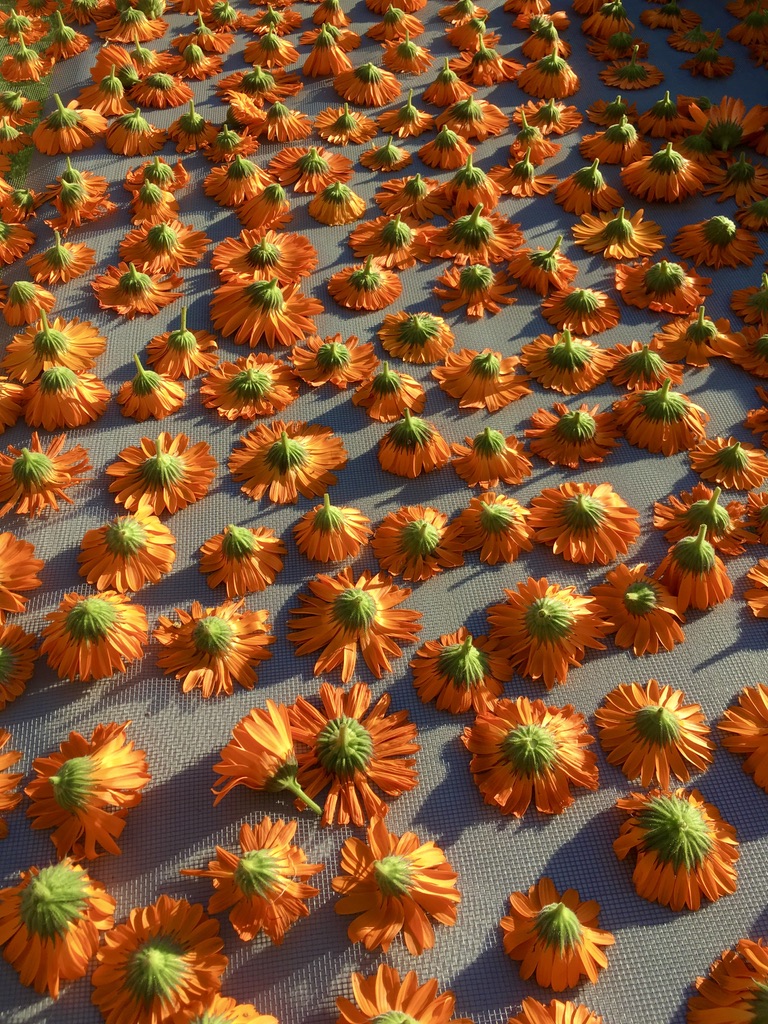
Calendula flowers are placed face down on the drying racks, while chamomile flowers are simply spread over the racks and left to dry. Lavender is harvested with a little stalk left attached before going onto the racks — the stalk makes the dried flower heads much easier to hold when they come to be stripped later.
Roots
Roots need a little more preparation. Once harvested they are washed and scrubbed thoroughly and then dried off with a towel. They are laid on a towel in a warm spot for around twenty-four hours to take away as much surface moisture as possible before being moved onto the drying racks. If the weather is particularly cold and natural drying is going to be difficult, the roots can be chopped first and dried in a dehydrator instead.
Bay
Bay is one of the few herbs I have occasionally hung to dry. In practice I rarely need to preserve it at all — there are two established bay hedges here, so I can generally pick fresh leaves whenever they are wanted.
Knowing When They Are Ready
Herbs need to be completely dry before they are stored — crispy dry, as I think of it. Leaves should feel crisp and crumble easily between your fingers rather than staying soft or flexible. If there is any doubt at all, leave things drying a little longer; any moisture left in stored herbs will lead to mould.
Storing Dried Herbs
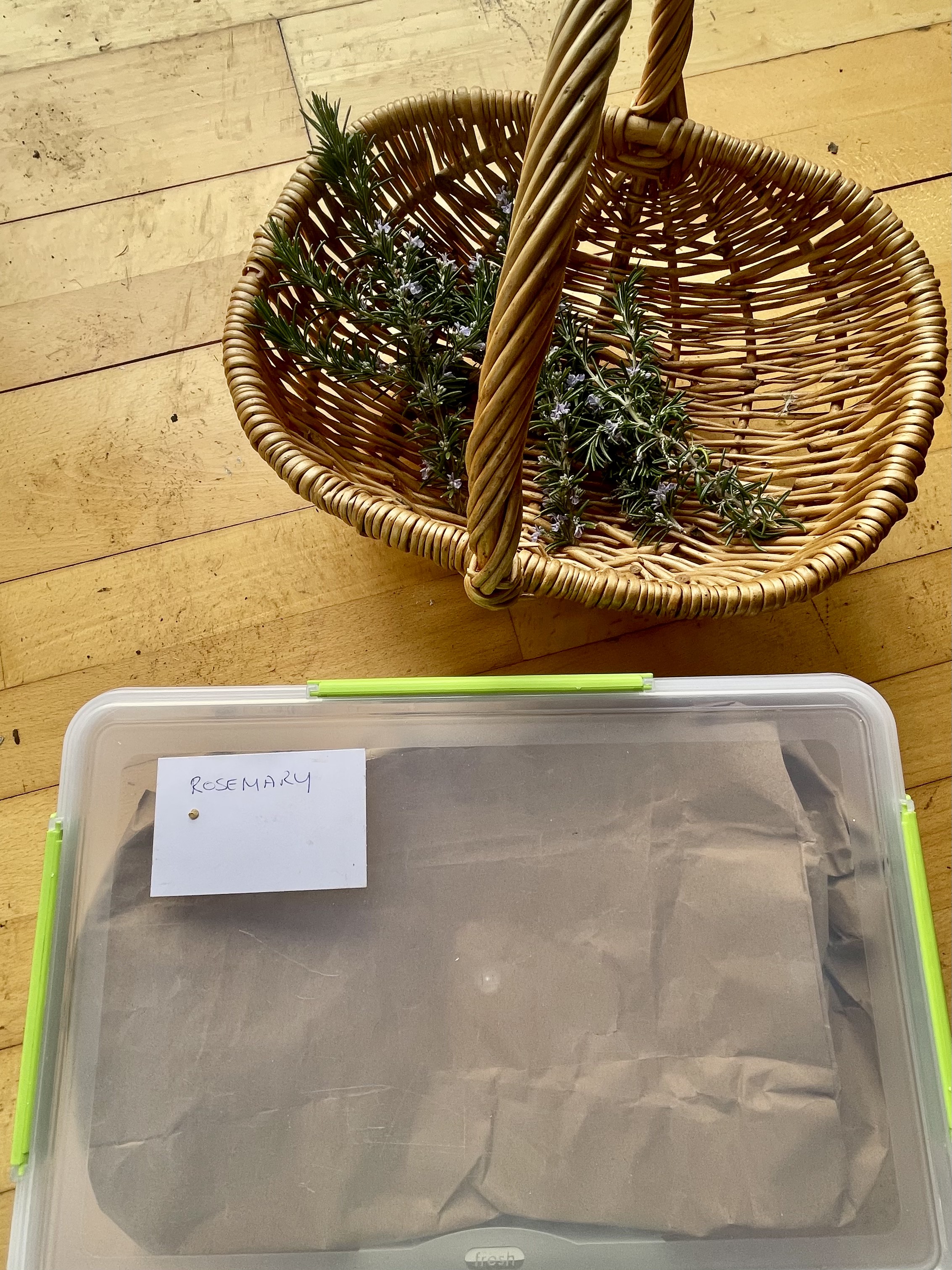
Once completely dry, the herbs are placed into paper bags, which are folded closed. The date of harvest is written on the paper bag, and the bags are then stored inside larger plastic containers for added protection from moths, spiders and anything else that might find its way into the herbs.
Each large plastic storage container is labelled with the name of the herb it contains. Where possible, I prefer to keep dried leaves whole rather than crushing or grinding them before storage. They can then be crumbled or ground when needed, depending on how they are going to be used.
Keeping a Harvest Record
I also keep a record book for the herbs I harvest, noting the date they were picked and where in the garden they were gathered from. It gives a useful record of each harvest and means I always know the age and origin of the dried herbs I have in store. That is particularly helpful when choosing herbs later for teas, herbal mixes or salts, and especially when dried herbs are going to be steeped in oil.
Other Ways to Preserve Herbs
Drying is not the only way to preserve a harvest. There are many other simple ways of capturing some of the qualities of herbs and flowers from the garden for use later in the year.
Infused Oils
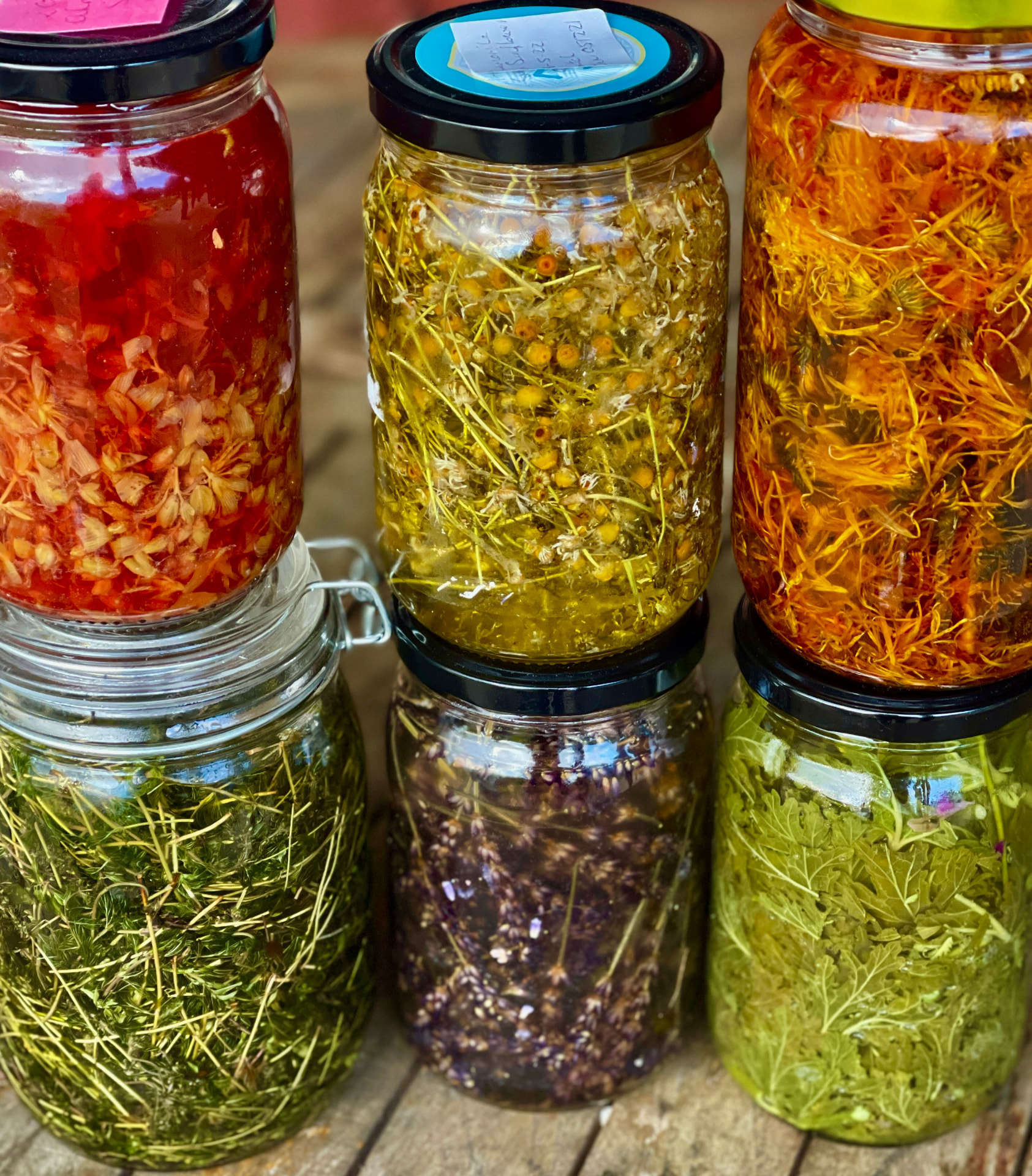
Infusing herbs into oil is another useful way of preserving some of what is gathered from the garden. Herbs such as calendula, chamomile, St John's Wort, yarrow and comfrey may be infused into oil and kept for later use.
Herbal Vinegars
Vinegar is a simple and enjoyable way of capturing some of the flavours and colours of the garden. Herbs, flowers and other suitable ingredients can be combined in all sorts of ways depending on what happens to be available — nasturtium flowers with black pepper, or lemon thyme with lemon, are two combinations I have particularly enjoyed.
Herbal Salts
Thoroughly dried herbs can also be combined with salt to make useful blends for the kitchen. Rosemary, thyme, oregano and lovage all work particularly well, either on their own or mixed together. The herbs must be completely dry before they go into the salt, or the mixture will clump and will not keep.
Preserving the Seasons
There is something very satisfying about harvesting herbs through the warmer months and knowing that some of that abundance has been put aside for later. Opening a bag of dried herbs in the middle of winter and still finding their colour, fragrance and flavour is a lovely reminder of the garden in summer.
For me, preserving herbs is simply part of the rhythm of growing them. What begins with sowing and planting in spring moves naturally through harvesting in summer and autumn, before the garden quietens for winter and the whole cycle begins again.