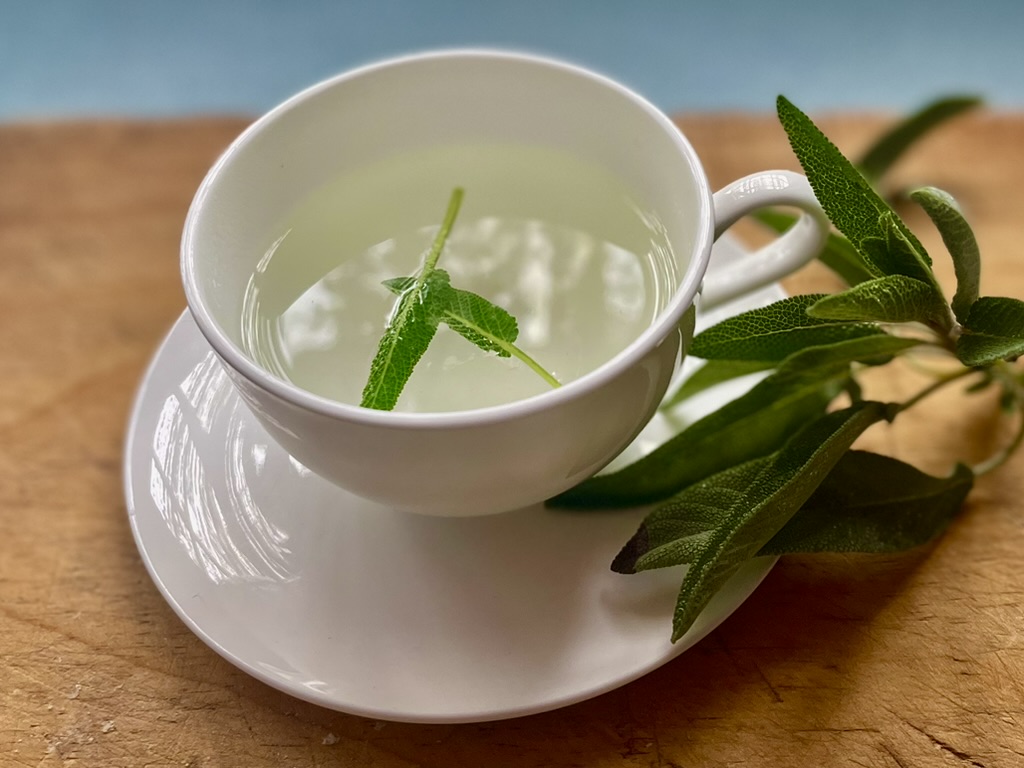
A herbal tea is really nothing more complicated than herbs steeped in hot water, yet it is one of the most enjoyable ways of using what the garden gives. A few leaves picked on the way back to the house, left to steep for a while, and you have something that tastes of the season it came from.
Choosing Herbs for Tea
One of the pleasures of growing herbs is being able to wander into the garden and pick a few fresh leaves or flowers for a pot of tea. Mint, lemon balm and lemon verbena are lovely places to begin, while chamomile makes a gentle floral tea. Herbs can be enjoyed on their own or combined once you begin to discover the flavours you like.
Starting with a single herb is often the best way to get to know its flavour before experimenting with different combinations.
Fresh or Dried
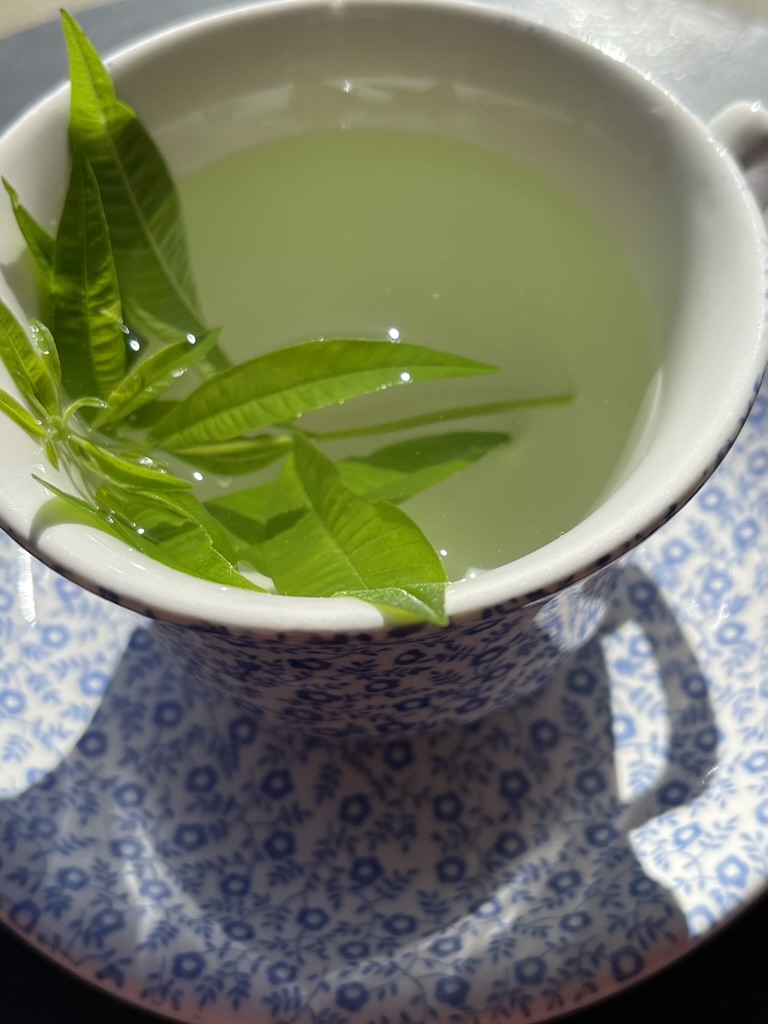
Both work well, and each has its moment. Fresh herbs taste greener and livelier, and there is something particularly good about a tea made from leaves picked minutes earlier. Dried herbs are more concentrated and are what carry the garden through the colder months.
When using dried herbs you generally need less than you would when using fresh. A heaped teaspoon of dried herb is a good starting point for a mug, while with fresh herbs you can be more generous. There is no need to be too precise — some herbs are naturally stronger than others, so taste as you go and adjust to suit yourself.
Making a Simple Herbal Tea
For fresh herbal tea, simply rinse the herbs and place them in a teapot or glass plunger pot, then pour over hot water just off the boil. Be generous with fresh herbs as their high water content means you need more than you would when using dried. Cover and leave to steep for around 5–10 minutes.
For dried herbs, use a teapot or plunger pot in the same way, or use a tea infuser when making a single cup. Keeping the tea covered while it steeps helps trap the volatile oils that would otherwise escape with the steam.
In summer, herbal teas are also lovely served cold. Allow the tea to cool, refrigerate and serve chilled, perhaps with fresh berries, flowers or a slice of lemon.
Creating Your Own Blends
Blending is where you can begin to have a little fun with herbal teas. Choose one herb you already like to lead the mix — lemon balm, chamomile or mint are all easy places to begin — then add a second for interest and, if you like, a pinch of something more assertive such as lavender or rose petals to lift it.
Make small quantities, write down what you used, and taste before adding more. You will soon have a handful of blends you return to again and again.
Things to Keep in Mind
Herbal teas are an everyday pleasure, and a little care makes them all the more enjoyable. Be sure you have correctly identified anything you pick before it goes into the pot, and enjoy a good variety of herbs rather than a great deal of any single one day after day.
A few herbs are best avoided during pregnancy or while breastfeeding, and some can interact with prescribed medicines. If you are pregnant, unwell or taking medication, a quick word with your doctor or a qualified herbalist will set your mind at rest.