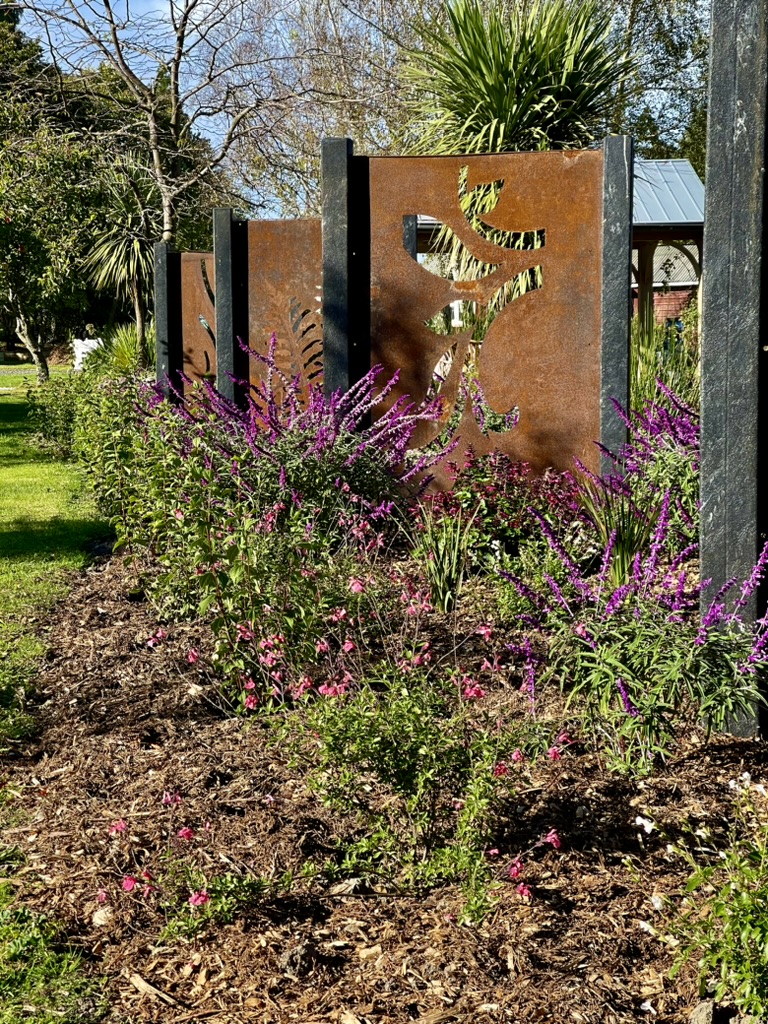
A garden is never finished. It grows and changes from season to season, and so does the way I work within it. The Herbal Garden is cared for organically, following permaculture principles and making the most of what the garden itself provides. There is always something to learn, something to change and something new to look forward to.
Working with the Seasons
Spring is probably the busiest time in the garden. There are still borders and beds to tidy and prepare, green manure crops to dig in, weeds to keep on top of and seemingly endless seeds to sow and young plants to get into the ground. Here in Canterbury, though, spring has to be approached with a little caution. A late frost can quickly damage tender new growth, so sometimes it is better to wait rather than plant too soon.
By early summer, planting is still continuing, particularly in the vegetable garden, while watering becomes an increasingly important part of the daily routine. Mulching helps enormously, keeping moisture in the soil and reducing the amount of weeding needed. Summer is also the main harvesting season, with herbs being gathered, dried and stored for later use. It is the busiest time for visitors too, with the garden open and workshops taking place.
Autumn brings a welcome change of pace. As the growing season slows and the garden eventually closes to visitors in late autumn, there is finally a little more time to look ahead and begin planning the winter maintenance programme.
Winter may be quieter, but there is still plenty happening. It is the time for maintenance, making and preparing new garden beds, deciding what will be planted where and working out which plants need to be bought and which can be grown here from seed or propagated in the garden.
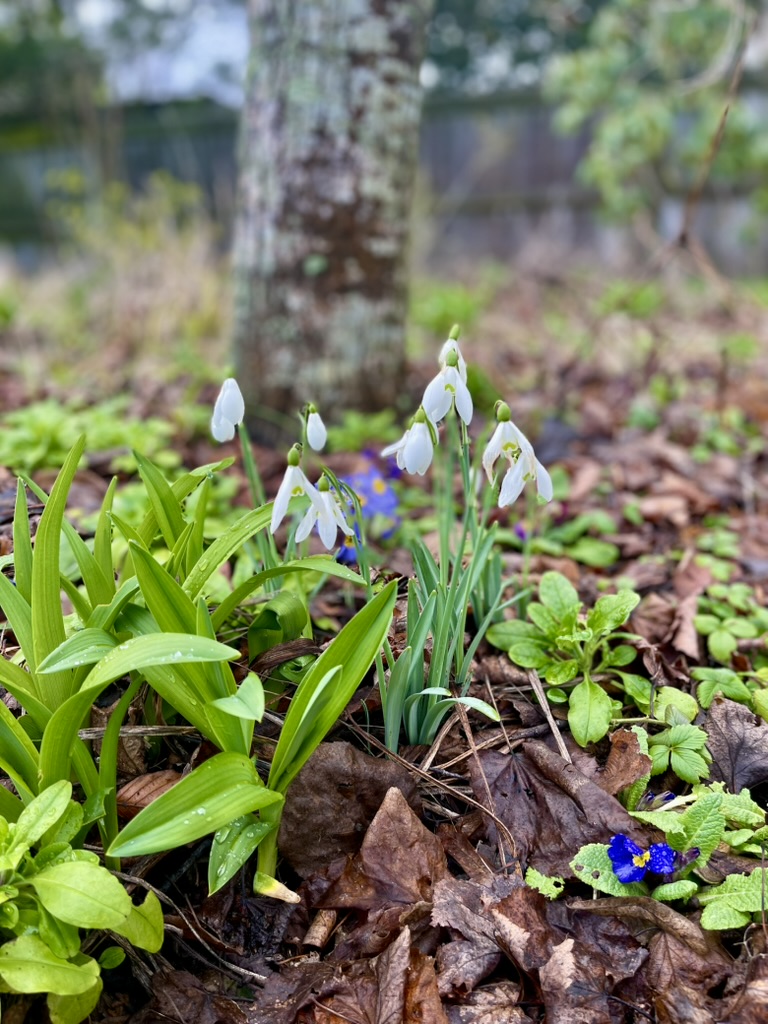
Spring
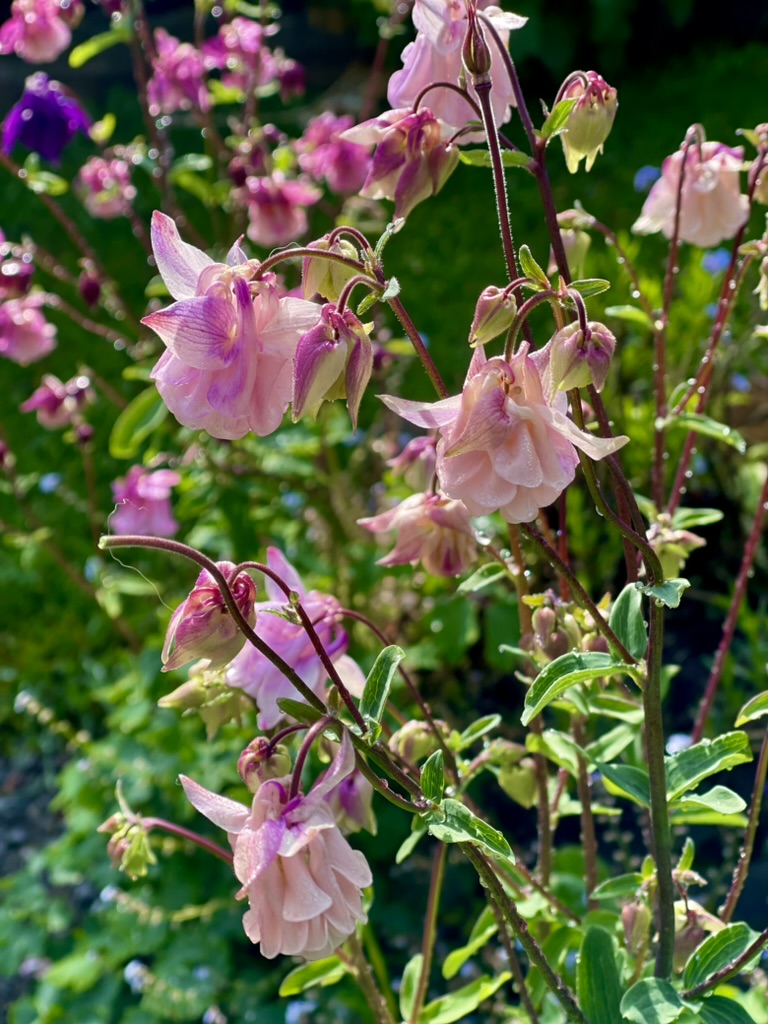
Summer
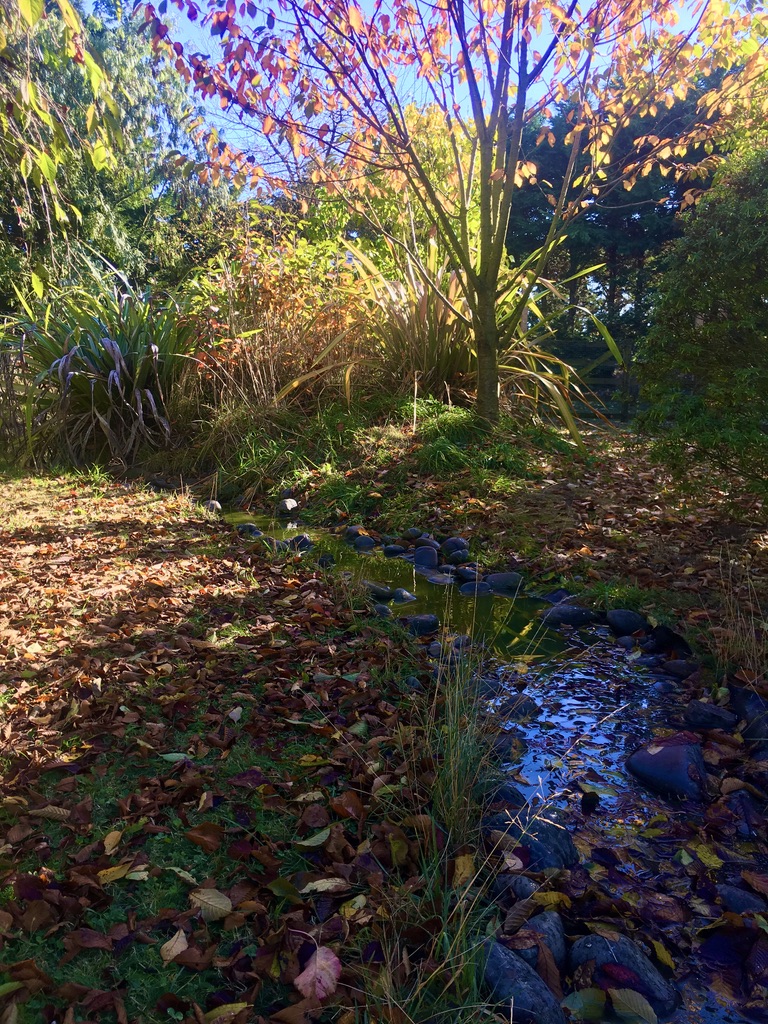
Autumn
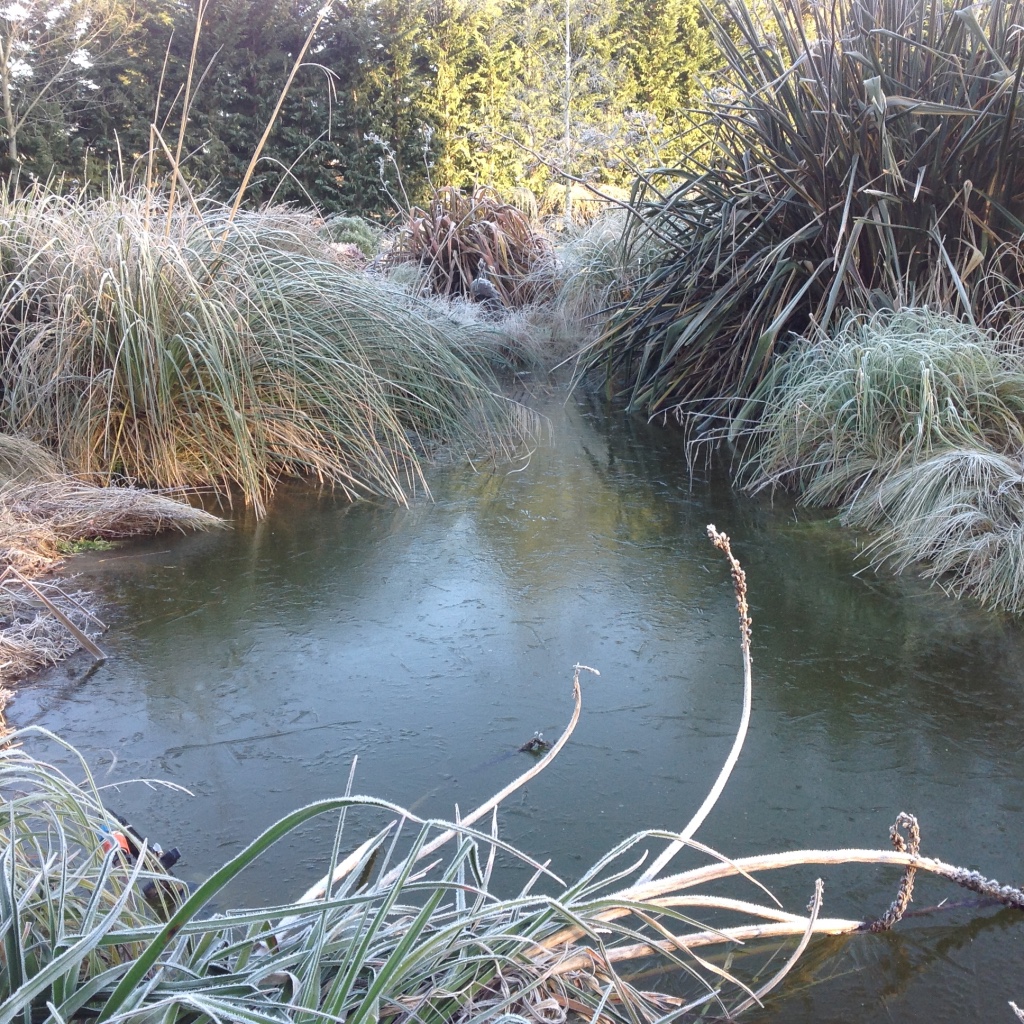
Winter
Caring for the Soil
Much of what comes out of the garden eventually finds its way back into it. In autumn, green manure crops are sown in the three vegetable beds and left to grow through winter before being dug back into the soil in spring.
There are two different composting systems. Vegetable and food scraps, along with general garden cuttings, go into compost bins in the vegetable garden. Weeds take a different route and are added to an open compost area in the chicken run at the back of the property. The chickens scratch and turn their way through it and, after a couple of years, the resulting compost is returned to the garden.
Tree and woody prunings are mulched rather than taken away, with the mulch spread back onto the beds. As well as returning organic matter to the garden, mulching helps retain moisture through our dry Canterbury summers and reduces the amount of weeding needed.
When creating a new garden bed, I generally start by cutting the grass very short, covering it with a thick layer of cardboard and then adding compost on top, rather than digging everything over. For some of the garden boxes I also use Hügelkultur, building organic material into the base of the box. Wherever possible, I try to keep digging to a minimum and leave the soil structure and the life within it as undisturbed as I can.
Letting Herbs Flower
Not everything in the garden is grown to be harvested. Many herbs are just as valuable when they are left to flower, providing food for bees, hoverflies and other beneficial insects.
Fennel and tansy are allowed to flower, while with herbs such as thyme I make sure that some is always left to bloom rather than harvesting everything. The same is true of calendula — although plenty of flowers are picked through the summer, some are always left for the insects. Even the globe artichokes aren't all destined for the kitchen. I often harvest only half, leaving the rest to produce their spectacular flowers, which the bees absolutely love.
Having a diversity of flowers is important too. Different shapes and types of flower heads suit different insects, so allowing a mixture of herbs and other plants to flower helps support a much wider range of beneficial insects throughout the garden.
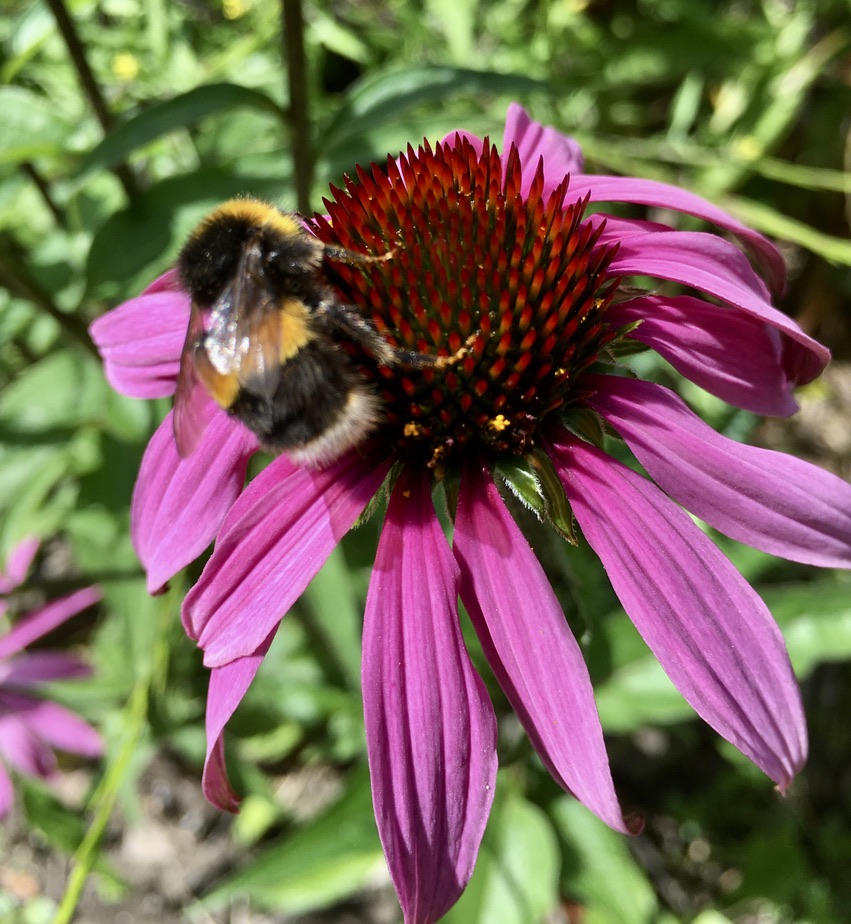
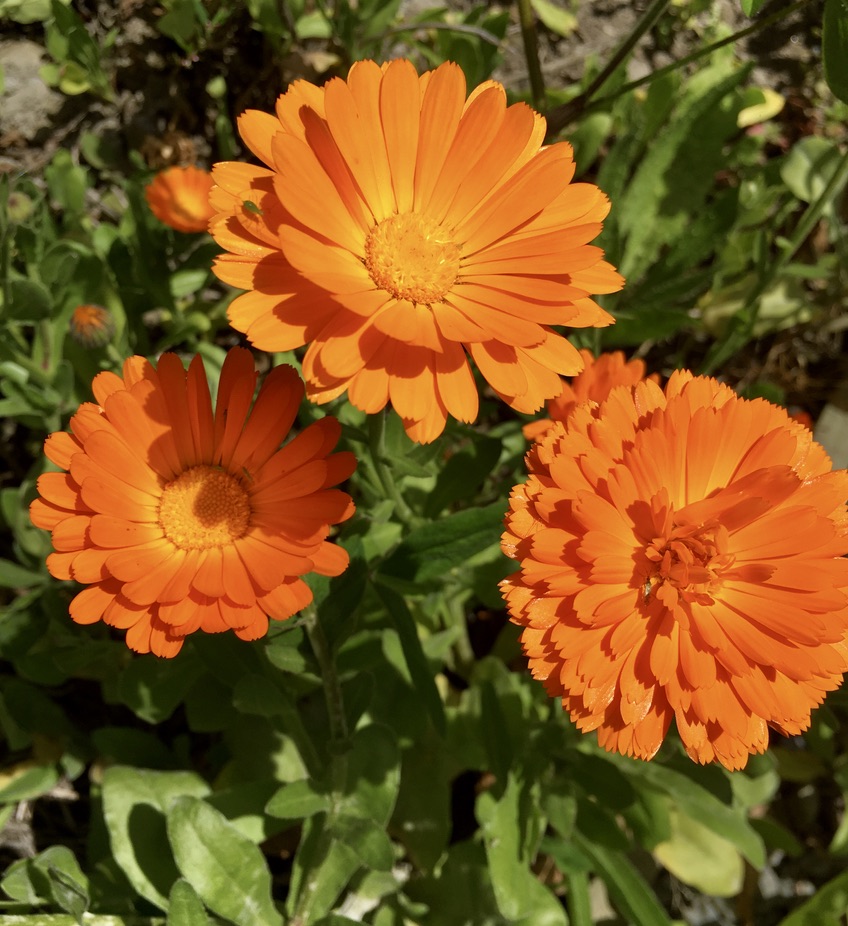
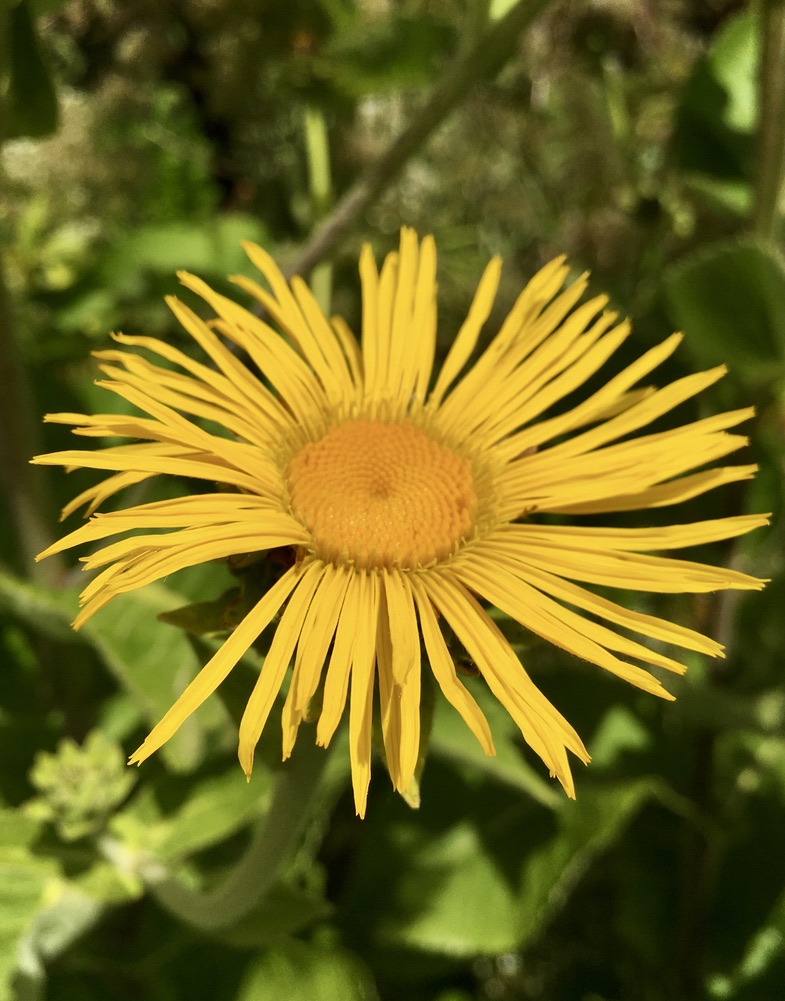
A Garden Full of Life
The garden follows the principles of permaculture, where everything is considered as part of a larger, interconnected system. Creating a healthy garden isn't just about the plants we grow, but also about making room for the many other creatures that live alongside them.
The park garden at the front of the property, with its mature trees, pond and smaller top pond connected by a stream, provides a very different habitat from the herb and vegetable gardens. The flower garden adds another layer, with heritage roses, flowering herbs and a wide variety of flowers providing colour and, importantly, different sources of food for insects throughout the seasons.
Dragonflies dart across the water, pond snails live beneath the surface, and frogs make themselves at home around the edges. Elsewhere there are ladybirds, lacewings, lizards and plenty of birds, while our own bee hive adds another very busy population.
Not every corner needs to be perfectly tidy. Piles of prunings and quieter areas provide shelter and habitat, while the diversity of planting provides food for insects throughout the growing season. By encouraging this natural balance, beneficial insects and other wildlife become part of the way pests are managed rather than reaching automatically for a spray.