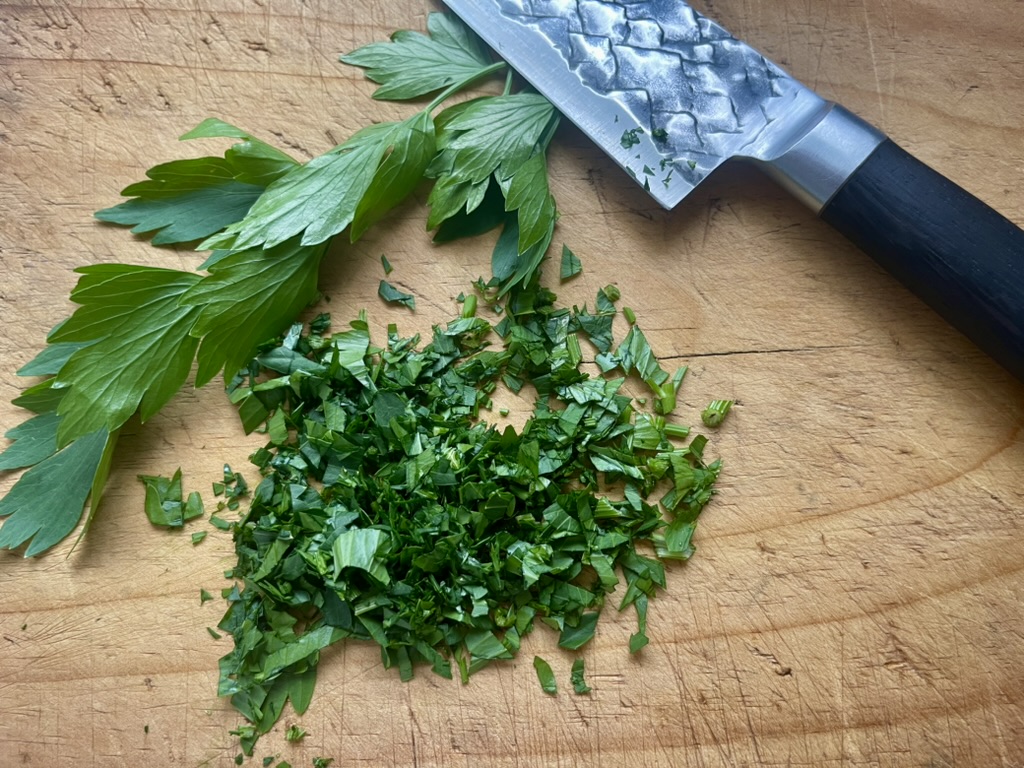
Herbs are one of the simplest ways I know to turn everyday food into something really delicious. A handful of parsley and chives through warm potatoes, a bay leaf added to a slow-cooked stew, or fresh basil torn over ripe tomatoes can completely change a dish without making it complicated. My training was classical, but much of what I know about cooking with herbs has been learnt the ordinary way: cooking every day with whatever is ready in the garden, tasting as I go and paying attention to what works.
Understanding Flavour
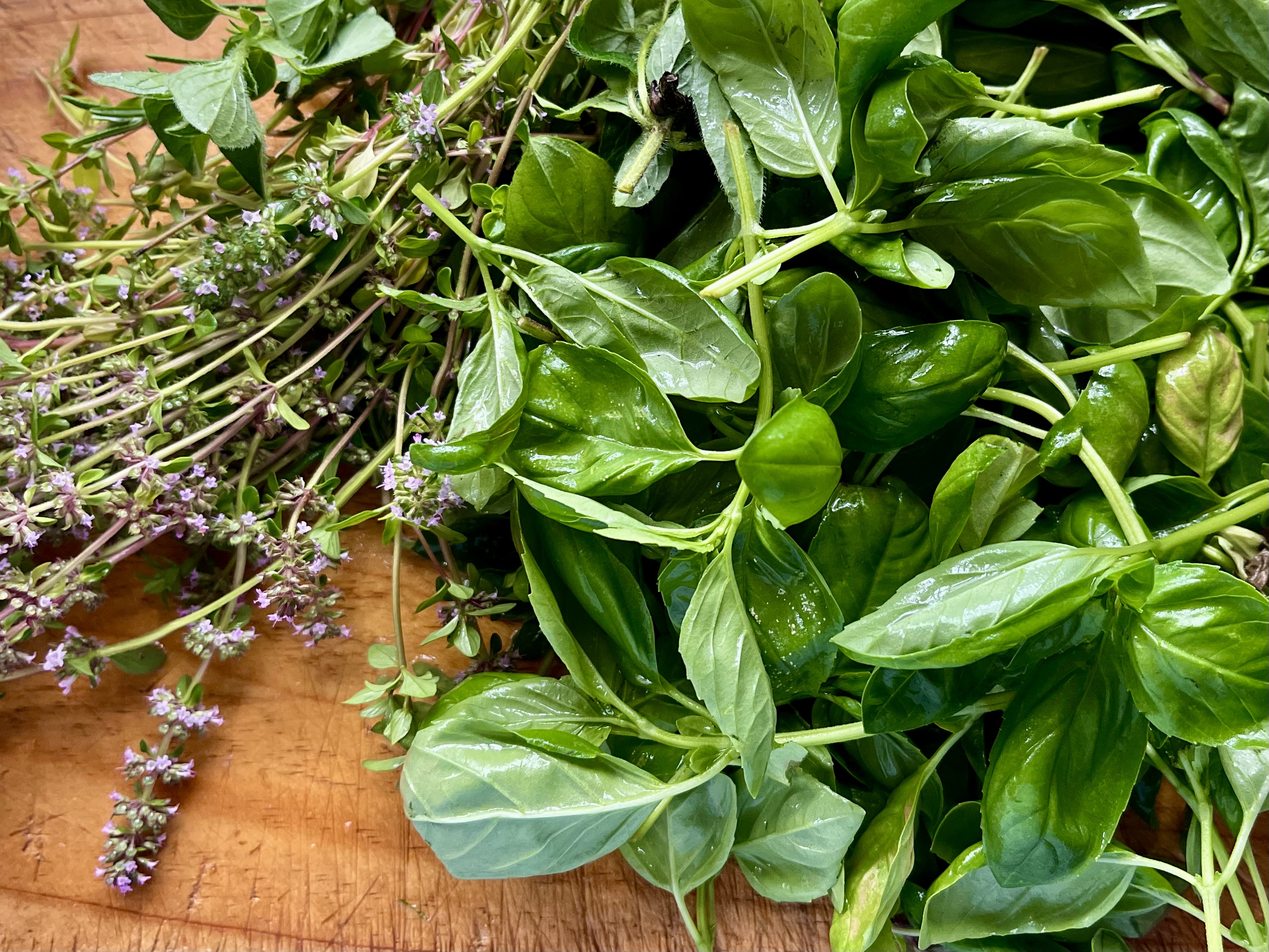
Every herb has its own character, and understanding the differences makes cooking with them much easier. Robust herbs such as rosemary, sage, thyme, bay and oregano have strong, aromatic flavours and can generally stand up to longer cooking. Softer leafy herbs such as parsley, chervil, chives and dill are more delicate and are often at their best when used generously and added towards the end.
One of the best ways to understand a herb is simply to taste it. Try a leaf on its own, then again with a little salt, olive oil or lemon and notice how the flavour changes. Over time you begin to recognise which herbs can carry a dish, which are better in the background and which bring freshness when added at the last moment.
Fresh or Dried?
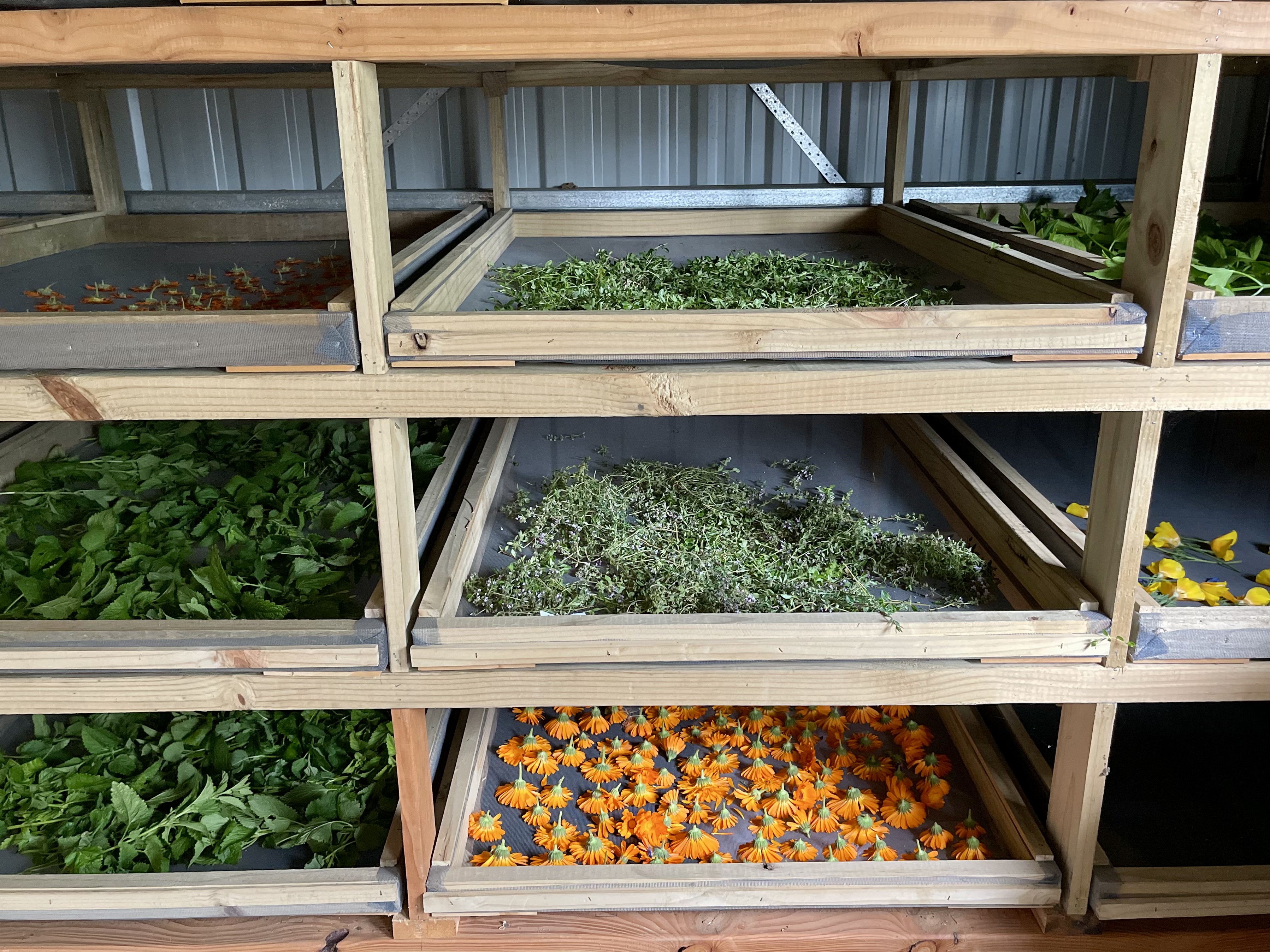
Fresh and dried herbs both have their place in the kitchen, and one is not necessarily better than the other. Soft herbs such as basil, coriander, chervil and chives are particularly lovely picked fresh from the garden, while more robust herbs such as oregano, marjoram, thyme, rosemary, bay and savory retain their flavour extremely well when dried. Some, such as oregano, can develop an even more concentrated flavour once dried.
Drying herbs when they are plentiful is also a simple way of carrying the garden into winter. I dry many of the herbs I grow and use them throughout the year in everyday cooking, herb mixes and herbal salts. Because dried herbs are more concentrated than fresh, you generally need less of them, but rather than relying too heavily on measurements, taste as you cook and adjust according to the herb and the dish.
When & How to Use Herbs
How and when a herb is added can make a considerable difference to the finished dish. Some herbs release their flavour slowly and cope well with longer cooking, while others are at their best added towards the end. It is also worth remembering that herbs can be used at different stages of the same dish to build layers of flavour.
Robust Herbs, Longer Cooking
Bay, thyme, rosemary, sage, oregano and savory all cope well with heat, making them useful in soups, stocks, casseroles and slow-cooked dishes. Bay and thyme can happily cook from the beginning, while stronger herbs such as rosemary and sage need a little more judgement — enough time to release their flavour without allowing them to dominate everything else.
Delicate Herbs, Added Later
Basil, coriander, chervil, chives, parsley, dill, mint and tarragon generally keep more of their fresh character when added towards the end of cooking or scattered over the finished dish. Heat quickly changes their flavour, so adding them at the last moment can bring freshness, colour and aroma as well as taste.
Building Flavour
Herbs do not always have to be used alone. Familiar combinations work because their flavours complement one another — parsley, thyme and bay in slow cooking; oregano and basil with tomatoes; rosemary, thyme and garlic with lamb. Start with a few well-chosen flavours rather than adding everything in the herb garden, then taste and adjust as you cook.
Everyday Ways to Use Herbs
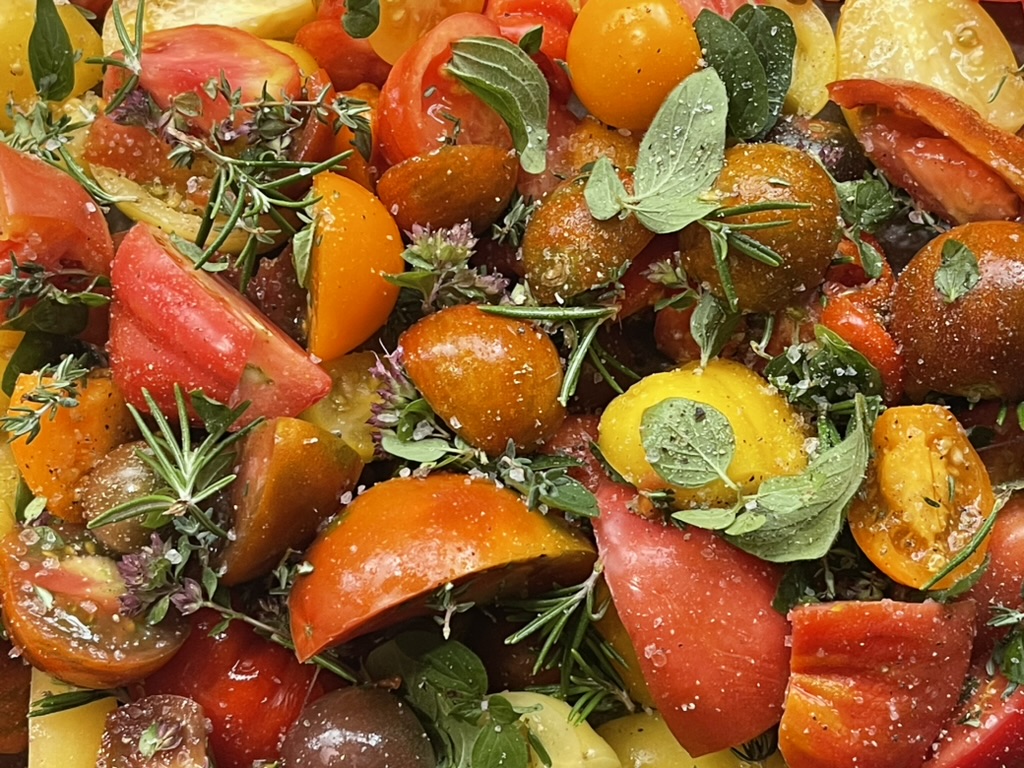
Herbs do not need to be saved for special dishes. Some of the best ways to use them are also the simplest — tossed through vegetables and salads, added to soups and sauces, mixed into dressings or worked into butter and bread. Once you become accustomed to having fresh herbs close at hand, reaching for them becomes a natural part of everyday cooking.
Vegetables & Salads
Herbs can completely change even the simplest vegetables. Toss warm potatoes with butter and fresh herbs, add thyme or rosemary to vegetables before roasting, or finish tomatoes with basil and a good olive oil. In salads, try using parsley, chervil, mint or other soft herbs as part of the salad itself rather than simply scattering a few leaves over the top.
Soups, Stocks & Sauces
Bay, thyme and parsley are invaluable in soups, stocks and slow-cooked sauces, while softer herbs can be added towards the end for freshness. Herb stalks can also be useful when making stock, so there is no need to discard everything once the leaves have been picked. A handful of fresh herbs added just before serving can completely change the character of a simple soup or sauce.
Dressings & Marinades
Fresh herbs are an easy way to give dressings and marinades their own character. Tarragon works beautifully with vinegar, rosemary and thyme with garlic and oil, while softer herbs can be chopped into a simple vinaigrette. Rather than following a fixed recipe, start with the flavours that suit the food you are cooking and adjust them as you taste.
Butters, Breads & Eggs
Herb butter is one of the simplest things to keep on hand — softened butter mixed with fresh herbs, a little lemon and seasoning can be used with vegetables, fish or meat. Rosemary, thyme and sage work beautifully in breads, while parsley, chives, chervil and tarragon are particularly good with eggs. These simple combinations are often some of the easiest ways to begin cooking more confidently with herbs.
Confidence with herbs comes from tasting rather than measuring. Start with a little, taste as you cook and add more if the dish needs it. The more often you use herbs, the more instinctive it becomes — and before long you will find yourself reaching for them without really thinking about it.
To discover more about individual herbs, explore the Herbs A–Z collection, or visit Grow Herbs for practical advice on growing your own.